Your pavers are talking, and they have stories to tell. They reveal their condition through visible signs of wear and damage. Cracks, discoloration, and uneven surfaces signal the need for attention. By addressing these signs, homeowners can maintain a functional and appealing outdoor space.
What Are Your Pavers Saying?
Cracks and Chips
Cracks and chips on pavers are more than just surface imperfections—they're early warnings of deeper issues. These flaws often result from exposure to heavy loads, harsh weather, or moisture infiltration. When cracks appear, they allow water to seep into the material, weakening its structure over time. Ignoring these signs can lead to costly repairs and even replacement. Homeowners should act quickly to address cracks and chips, ensuring their patio remains safe and visually appealing.
Uneven or Sunken Surfaces
Uneven or sunken pavers tell a story of shifting substrates and structural instability. These surface irregularities often stem from water erosion, poor drainage, or heavy foot traffic. Walking on uneven surfaces increases the risk of trips and falls. Addressing these issues promptly by leveling or repairing the affected areas can restore both functionality and aesthetics. Proper installation and drainage systems play a crucial role in preventing uneven surfaces.
Discoloration or Stains
Discoloration and stains on pavers are more than cosmetic concerns—they signal underlying issues. Efflorescence, a white residue caused by mineral buildup, often indicates moisture penetration and inadequate sealing. UV radiation and algae growth can also lead to discoloration. Early detection and cleaning can preserve the beauty of the patio while preventing long-term damage. Seal your pavers regularly to protect them from moisture and stains.
Loose or Wobbly Pavers
Loose or wobbly pavers often signal a deeper issue beneath the surface. These unstable pavers can result from improper installation, shifting soil, or erosion caused by poor drainage. When left unaddressed, they create safety hazards that can lead to serious accidents. Start by identifying the root cause—if the issue stems from poor drainage, consider installing a proper drainage system.
Why It's Important to Listen
Safety Hazards
Neglecting the condition of pavers can lead to serious safety risks. Cracks, uneven surfaces, and loose pavers create tripping hazards that can result in injuries. For families with children or elderly members, these risks become even more concerning. By addressing these issues early, homeowners can prevent accidents and create a safe, welcoming environment.
Costly Repairs
Free Estimate · No Obligation
Ready to transform your pavers?
Same-week scheduling available across South Florida.
Delaying repairs often leads to a cycle of escalating expenses. When small issues like cracks or loose pavers are ignored, they worsen over time. Moisture seeps into cracks, causing further damage, while loose pavers shift and destabilize the surrounding area. Homeowners who invest in timely maintenance save money in the long run by avoiding extensive repairs.
Reduced Curb Appeal
A neglected patio can significantly impact the overall appearance of a property. Discoloration, stains, and uneven surfaces detract from the visual appeal of outdoor spaces. Research shows a well-maintained paver patio can increase property value by 3-5% on a $200,000 home. Investing in paver sealing and regular maintenance enhances the aesthetic appeal of the patio and boosts property value.
How to Respond to Your Pavers
Cleaning and Sealing
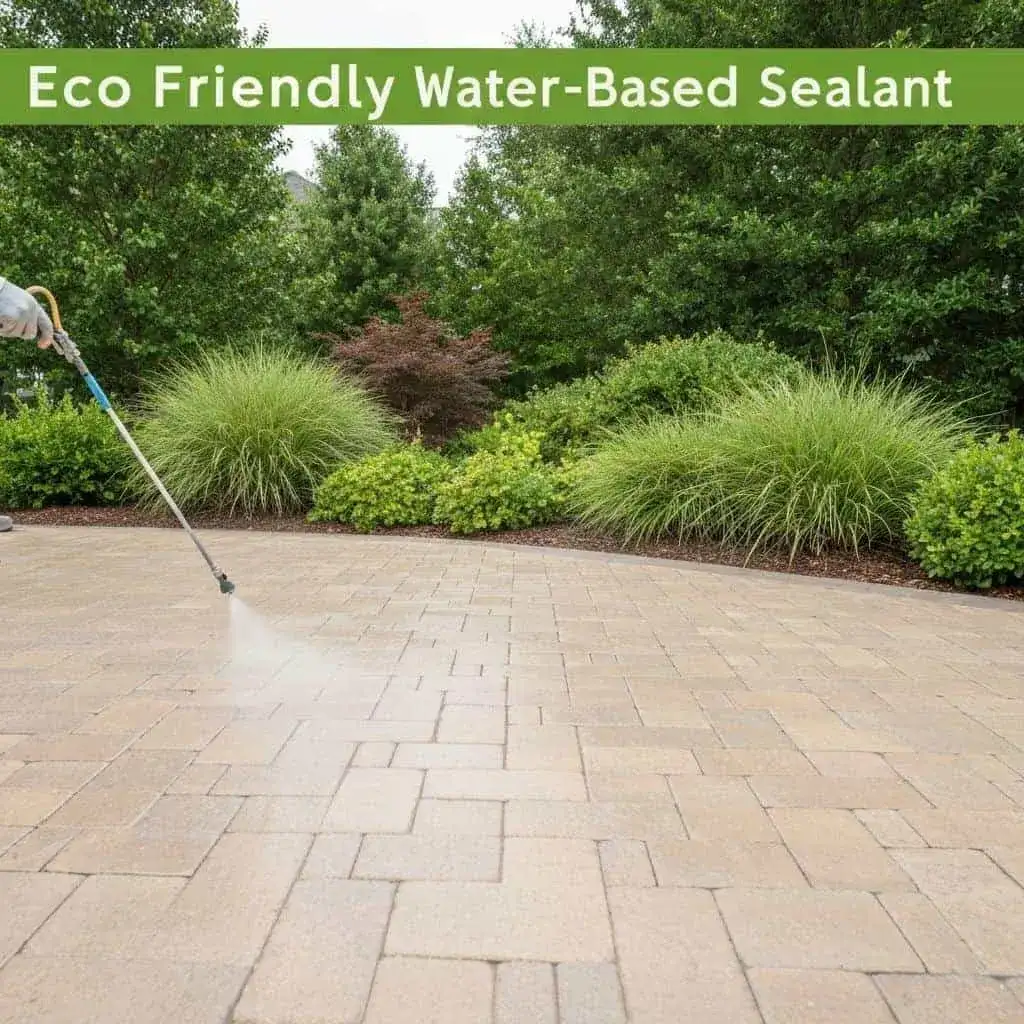
Cleaning and sealing are essential steps in maintaining the longevity and appearance of your pavers. Clean your pavers each spring using a coarse-bristle broom and a maintenance paver cleaner. Apply a sealer every three years to maintain protection and appearance. Properly sealed pavers resist damage from moisture and contaminants, extending their lifespan. Schedule cleaning and sealing during dry weather to allow the sealer to cure properly.
Leveling and Repairing
For minor leveling issues, homeowners can lift the affected pavers, level the base with sand, and reset them. For more extensive damage, professional assistance ensures long-lasting results. Repairing cracks and chips promptly prevents further deterioration and maintains the structural integrity of the patio.
Replacing Damaged Pavers
Sometimes, damage to pavers is too severe for cleaning or repair. Replacing the affected pavers restores the patio's uniformity and prevents further issues. Choose high-quality materials that match the original installation for a seamless appearance and long-lasting durability.
Preventative Maintenance Tips
- Inspect your patio at least twice a year—spring and fall are ideal times
- Install a drainage system to prevent water from pooling and causing erosion
- Clean and seal pavers regularly—apply sealer every three years
- Keep a checklist of inspection tasks to stay organized
- Hire professionals for annual maintenance for lasting results