When choosing materials for your home's outdoor spaces, you want something that lasts, looks great, and adds value. Pavers meet all these needs and more, which is why pavers are better than concrete.
Durability and Flexibility
Why Pavers Are Better Than Concrete for Durability
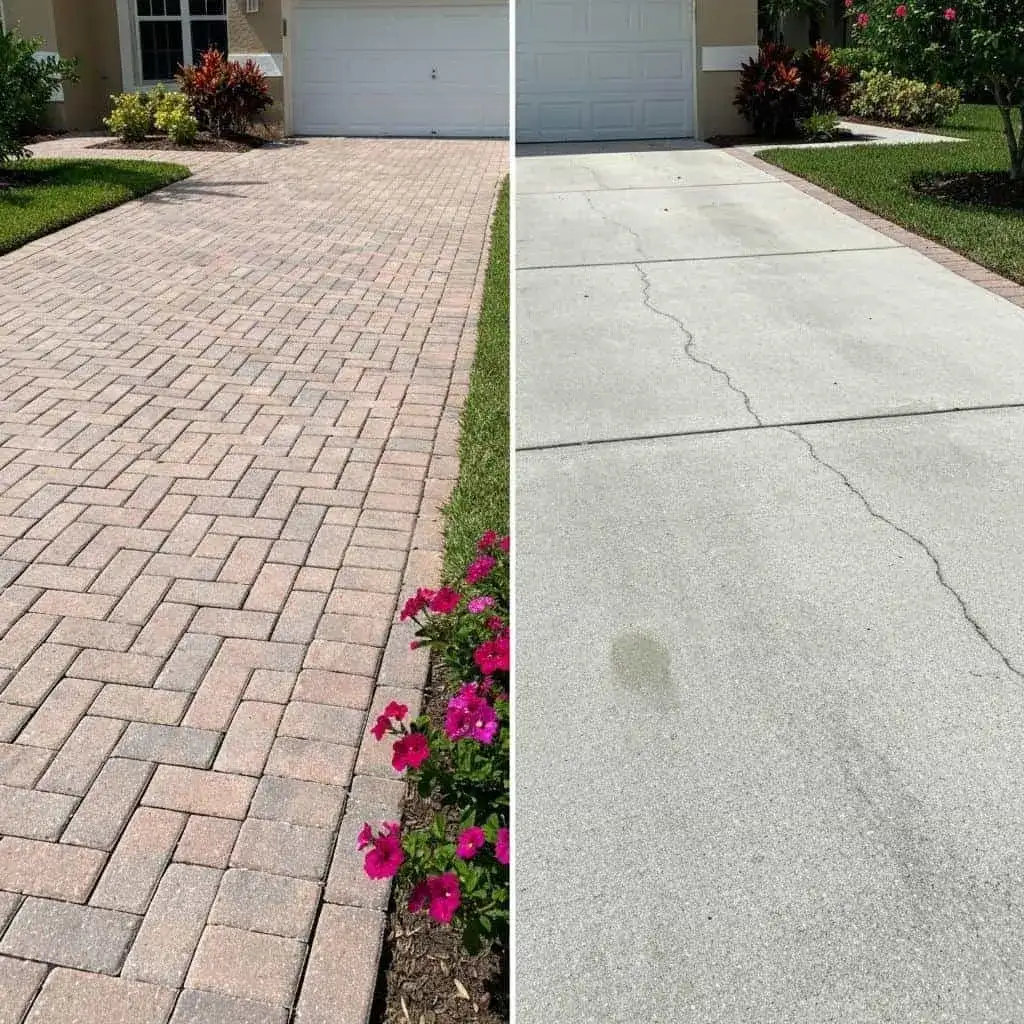
Pavers excel in durability because of their interlocking design. This structure allows them to distribute weight evenly, reducing the risk of cracks. Unlike concrete slabs, which are rigid and prone to damage, pavers adapt to pressure and movement without breaking. They are manufactured in controlled environments to ensure maximum strength, making them ideal for areas with heavy foot traffic or vehicle use, such as driveways. Additionally, pavers resist freeze-thaw cycles, which often cause concrete to crack in colder climates.
Concrete, while initially strong, struggles to maintain its integrity over time. Temperature fluctuations, ground movement, and heavy loads often lead to cracks. Once damaged, concrete slabs lose their structural stability, requiring costly repairs or even full replacement.
Flexibility in Repairs and Replacements
One of the greatest advantages of pavers is their ease of repair. If a single paver becomes damaged, you can replace it without disturbing the surrounding area. This process is quick and affordable, with repair costs ranging from $15 to $125 per paver. Repairing concrete is a more complex and costly process. Damage to a concrete slab often requires extensive work, such as patching or replacing the entire section.
Adapting to Ground Movement
Pavers are designed to adapt to ground movement. Their interlocking system allows them to shift slightly without cracking, making them perfect for areas prone to soil expansion or contraction. Concrete's rigid nature makes it vulnerable to ground movement, often resulting in cracks and uneven surfaces that lead to expensive repairs.
Cost-Effectiveness
When comparing paver vs concrete over time, the initial costs may seem similar, but pavers tell a different story long-term. Pavers have a lifetime cost of $4,400 to $7,400, making them the best value for money in the long run. You can replace individual pavers without disrupting the entire surface, reducing repair costs significantly. With proper care, pavers can last up to 100 years, while concrete often needs replacement after just 10 years.
Adding Value to Your Home
Free Estimate · No Obligation
Ready to transform your pavers?
Same-week scheduling available across South Florida.
Pavers not only improve the functionality of your outdoor spaces but also add value to your home. A new patio with pavers costing $3,269 can increase your property value by $3,563, offering a 109% return on investment. Their ability to withstand weather changes without cracking makes them an excellent choice for enhancing both the visual appeal and durability of your property.
Design and Customization Options
Pavers provide you with a wide range of design options. Whether you prefer timeless patterns or something more creative, pavers can meet your needs. Common patterns like herringbone or basketweave offer versatility and ease of installation. You can choose from a variety of materials, including natural stone, brick, and interlocking pavers, each offering unique aesthetics and functionality. Pavers allow you to tailor your outdoor spaces to complement your home's aesthetics perfectly.
Maintenance and Longevity
Pavers require minimal effort to keep them looking their best. Regular maintenance involves sweeping and rinsing with a garden hose to remove dirt and debris. If a paver gets damaged, replacing it is straightforward — you only need to identify the broken piece, gather a replacement, and secure it with filler sand. With proper care, pavers can endure for 50 to 100 years. Concrete surfaces typically last 25 to 30 years, but they often require repairs or replacement sooner due to cracking and erosion.
Conclusion
Pavers clearly outperform concrete in every critical aspect, making them the superior choice for your home. Their interlocking design resists cracking, ensuring long-term durability. You can easily replace individual pavers, saving time and money on repairs. With a wide variety of shapes, colors, and textures, pavers allow you to customize outdoor spaces to match your style. They also enhance curb appeal and property value, offering a return on investment of up to 109%. Choose pavers for your next project to enjoy these benefits and more.