You face tough conditions when caring for your pavers in South Florida. Salt air, shifting sand, and powerful storms can damage even the best surfaces. With salt-resistant pavers and expert-backed maintenance methods, you gain tools to defend your coastal investment and keep your pavers strong and beautiful.
Coastal Threats to Your Pavers
Salt Corrosion
Living near the ocean exposes your pavers to constant salt spray. Salt crystals settle on surfaces and seep into joints, accelerating wear. Pavers immersed in salt solutions can lose up to 18.82% of their splitting strength after repeated cycles. You can minimize these effects by choosing salt-resistant pavers and maintaining a regular cleaning and sealing routine.
Sand Migration
Sand migration is a constant challenge in South Florida. Wind and rain move sand across your driveway and patio, eroding the joints between pavers. Use polymer sand in your joints—it hardens when wet, locking pavers in place and resisting erosion from both wind and water.
Tropical Storms
Tropical storms and hurricanes bring heavy rain, flooding, and strong winds. These forces can shift pavers, wash away joint sand, and cause surface staining. Secure your pavers with proper edge restraints, inspect drainage systems before storm season, and remove debris quickly after storms to prevent staining and mold.
Humidity Issues
Florida's high humidity creates ideal conditions for mold, mildew, and sealant breakdown. UV rays combined with humidity accelerate sealant breakdown. Schedule sealing during drier months and use moisture-resistant, marine-grade sealants to extend the life of your pavers.
Salt-Resistant Material Options
Porcelain and Granite
Porcelain pavers offer ultra-low moisture absorption, making them highly resistant to stains, mold, and salt damage. Their dense, vitrified surface prevents fading and discoloration, even under intense UV exposure and coastal weather. Schedule regular cleaning and use specialized cleaners to remove salt deposits from porcelain pavers.
Brick and Concrete
Free Estimate · No Obligation
Ready to transform your pavers?
Same-week scheduling available across South Florida.
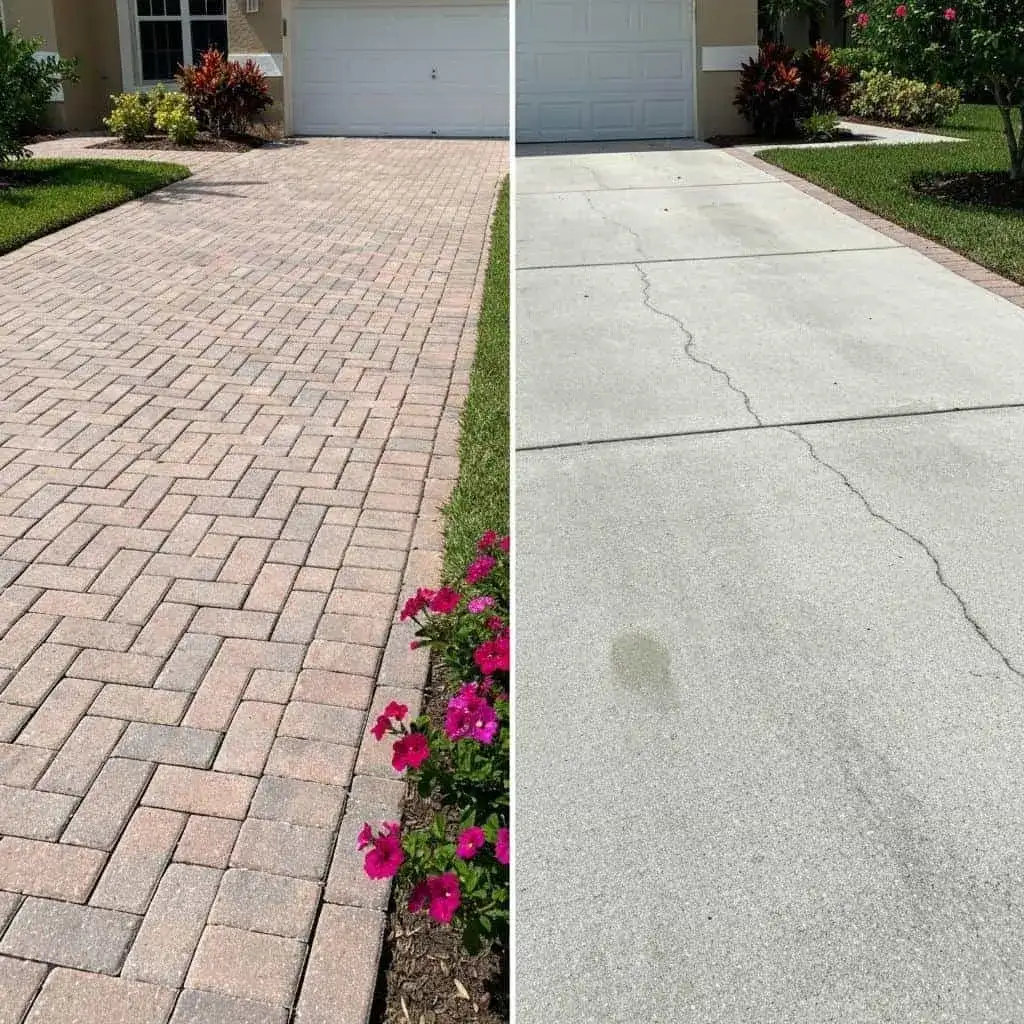
Brick and concrete pavers remain popular for Florida homes. With proper maintenance, brick pavers resist fading, cracking, and moisture damage for decades. Concrete pavers, especially those with high-density mixes and pozzolanic additives, offer strong resistance to salt and abrasion.
Florida Coastal Paver Maintenance
Cleaning Routine
Establish a consistent cleaning routine to protect your pavers. Inspect your paver surface for cracks, chips, or broken pieces. Use a hose or power washer at an angle no greater than 30 degrees to prevent joint material from washing out. Rinse the area thoroughly, directing water toward proper drainage channels. Schedule your cleaning during dry weather to ensure the best results.
Sealing Steps
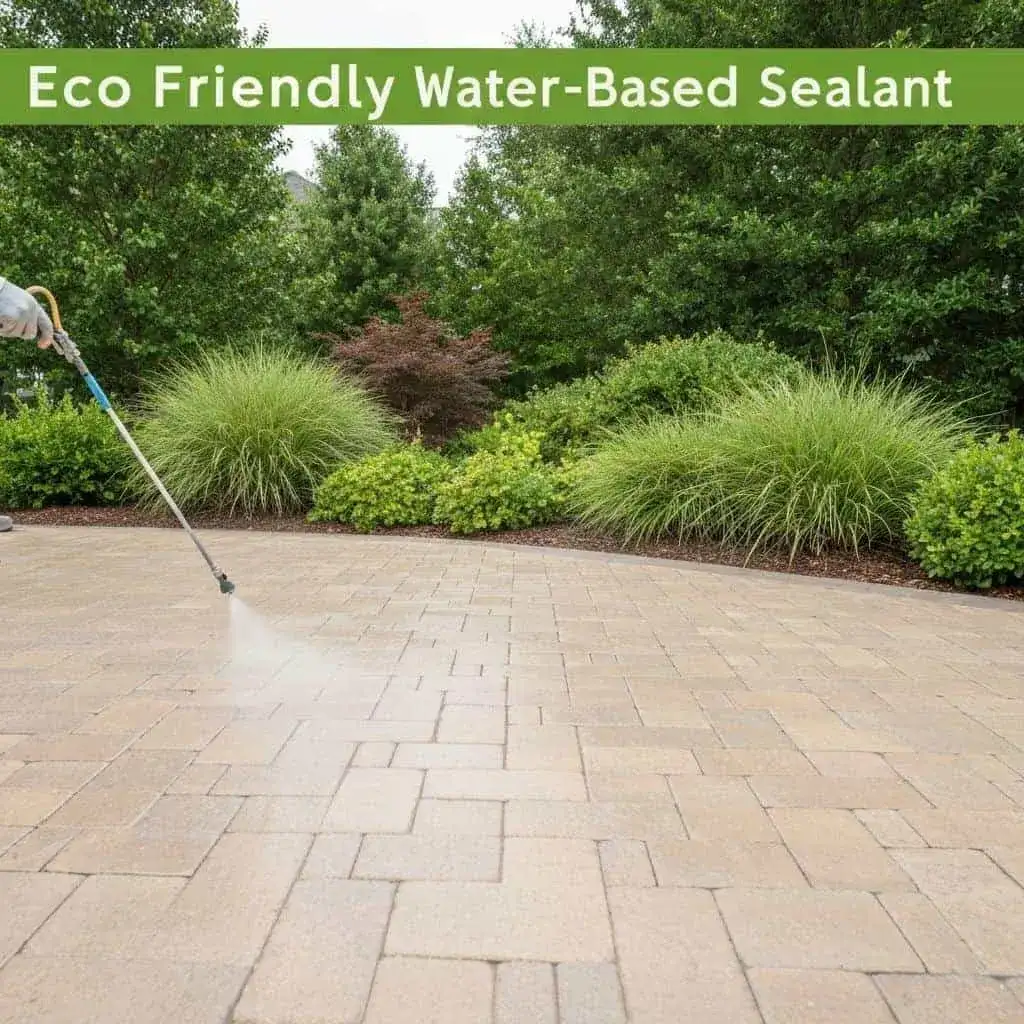
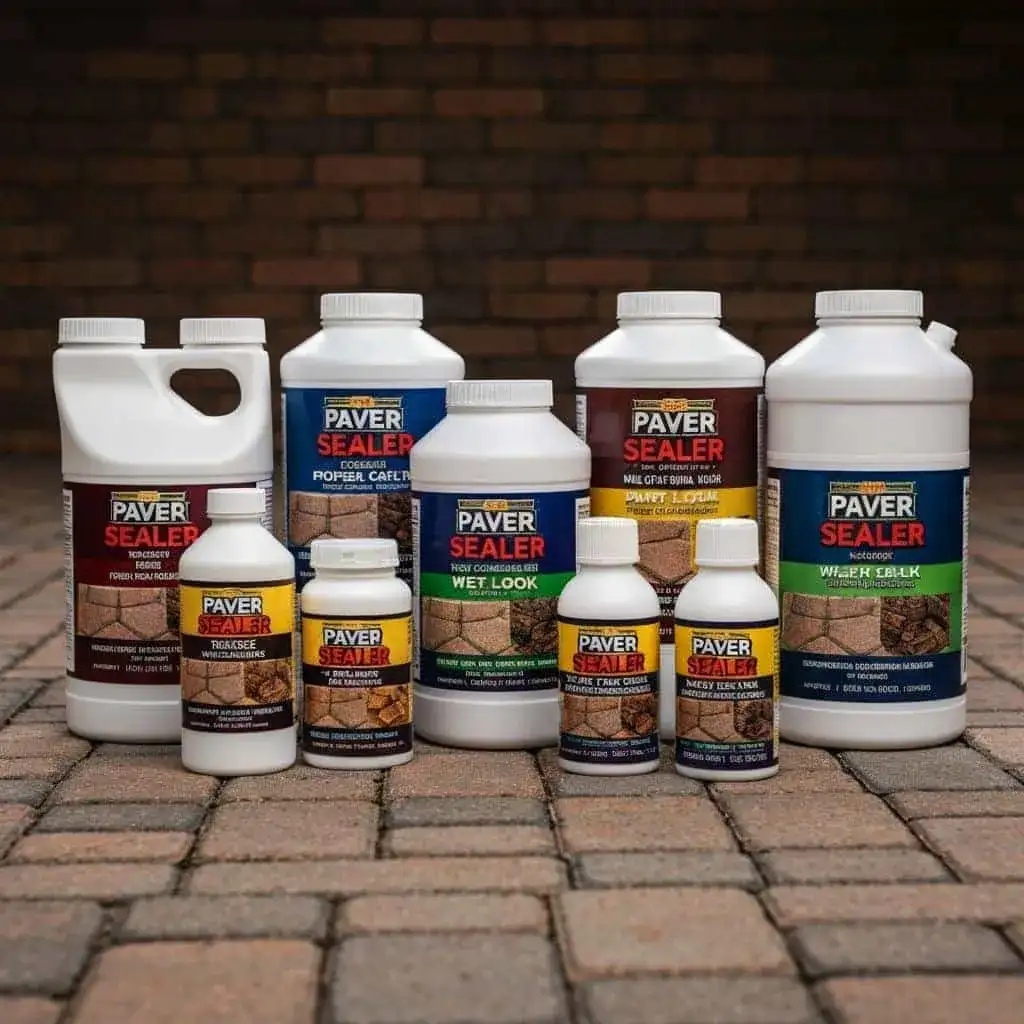
Sealing your pavers forms a critical barrier against salt, sand, and moisture. Apply the sealer only when both the surface and air temperatures exceed 50°F. Regular sealing performed every 2-3 years helps maintain the integrity of salt-resistant paver installations. Choose a high-quality, marine-grade sealer for maximum resistance to salt and sand.
Polymer Sand Joints
Modern polymeric sands contain advanced binders that lock the sand in place, preventing erosion, weed growth, and insect infestation. Polymer sand resists washout during storms and aggressive cleaning, blocks weed seeds, and deters ants from burrowing. To apply, sweep the polymer sand into the joints, then activate it with a gentle spray of water.
Hurricane Preparation
When a hurricane approaches, remove loose debris, furniture, and planters from the area. Sweep the surface to eliminate sand and leaves. Inspect paver joints for gaps or erosion and refill with polymer sand. Apply a fresh coat of marine-grade sealant if your last application was more than two years ago. Complete these steps at least 48 hours before a storm's expected arrival.
Maintenance Checklist
- Sweep surfaces regularly to remove sand, leaves, and debris
- Rinse with fresh water to wash away salt spray and organic material
- Inspect for damage after each major weather event
- Replenish polymer sand joints seasonally
- Apply marine-grade sealant every 2–3 years
- Inspect root barriers annually to prevent tree root intrusion
- Schedule professional inspection before and after hurricane season