You want a nice area with pavers, but the paver installation process can seem hard. Many homeowners face big challenges, like understanding local rules, moving heavy materials, and making mistakes that lead to uneven surfaces or extra costs. With the right planning and professional help, you can create a beautiful, durable outdoor space.
Planning Your Paver Installation
Site Evaluation
Start by surveying the site to understand its overall layout, slope, and any potential obstacles. Check what kind of soil you have and if it is wet—strong soil helps your paver installation last. Look at how water moves: a small slope stops water from sitting and keeps your pavers safe. Good planning now keeps your paver stones flat and safe for a long time.
Design and Material Selection
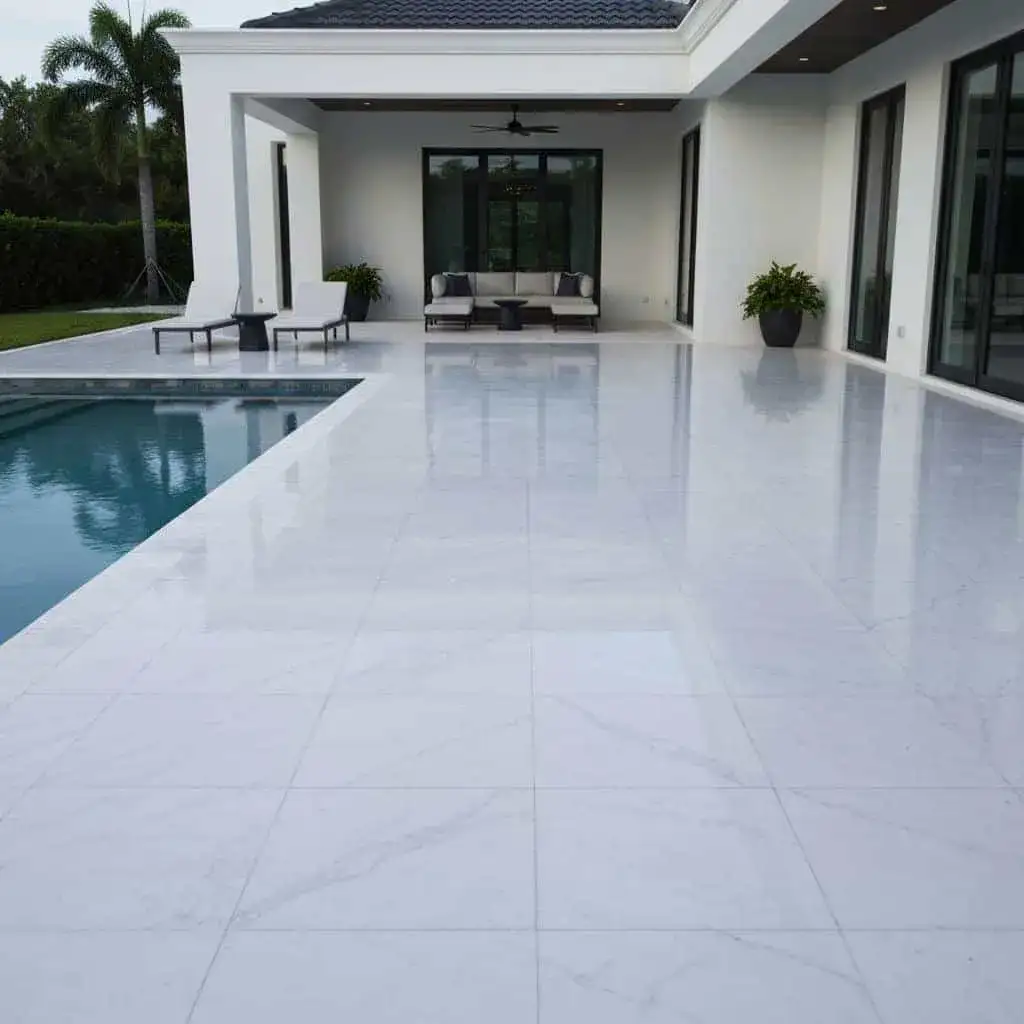
Pick patterns and styles that fit your outdoor space. Choose strong materials that work for your weather. Popular choices include Concrete (strong, versatile, salt-resistant), Porcelain (easy to care for, salt-resistant), Travertine (feels cool, looks fancy), Natural Stone (handles heat, always looks good), Brick (classic look, strong), and Clay (keeps color, always looks good).
Permits and Timeline
Most cities in Florida require permits for paver installation. You might need to show plans, drawings, and have inspections. It usually takes 3 to 14 days to finish, depending on the size and complexity. Start planning early and ask your installer for help with permits.
Types of Paver Installations
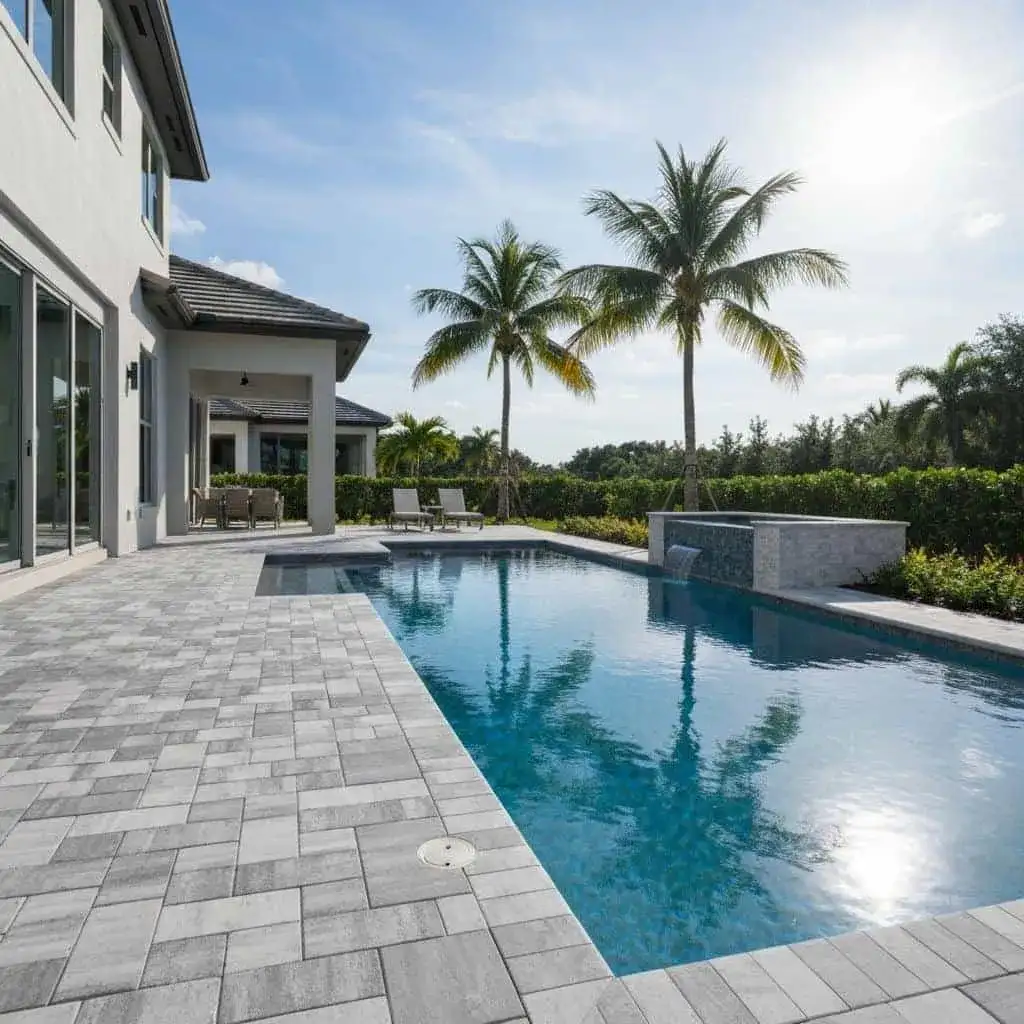
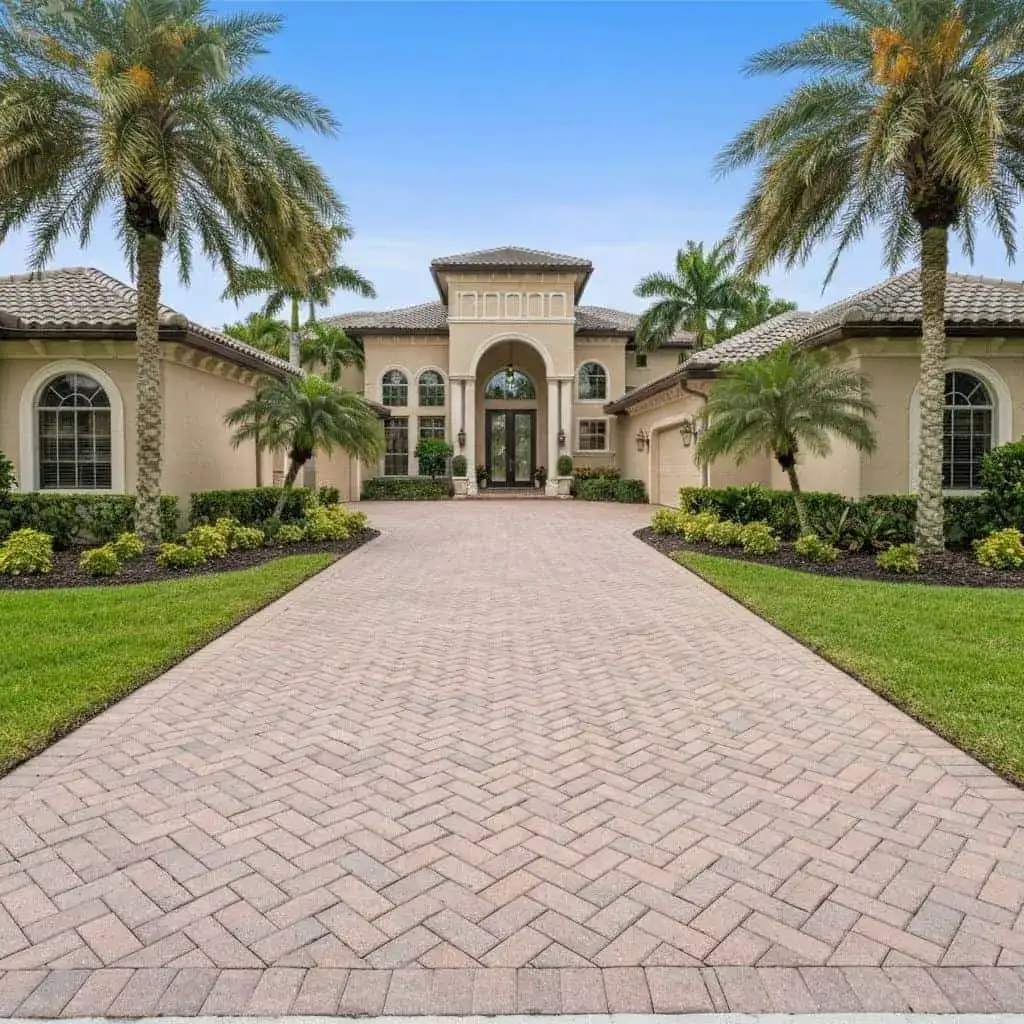
The main types of paver installations include driveways, walkways, and patios. Driveway pavers must handle heavy cars and lots of use—concrete pavers cost less at first and last a long time. Walkways guide guests through your yard and need a strong, level base to stop shifting or sagging. Patios turn your backyard into a place for fun and relaxation, with many design options including fire pits, outdoor kitchens, or lighting.
Installation Steps
Excavation and Grading
Begin by marking the area and excavating to the required depth—at least 4 inches for patios and walkways, 6-12 inches for driveways. Remove all grass, roots, and loose soil. Slope the area away from your house at 1/8" to 1/4" per foot for proper drainage. Compact the soil with a plate compactor after excavation.
Base Preparation
Free Estimate · No Obligation
Ready to transform your pavers?
Same-week scheduling available across South Florida.
Add crushed gravel or crushed quarry rock for the base. Spread in layers of 2-3 inches and compact each layer before adding the next. Use geotextile fabric between the soil and base to stop weeds and keep layers separate. A solid foundation is the secret to a long-lasting paver installation.
Sand Bedding and Laying Pavers
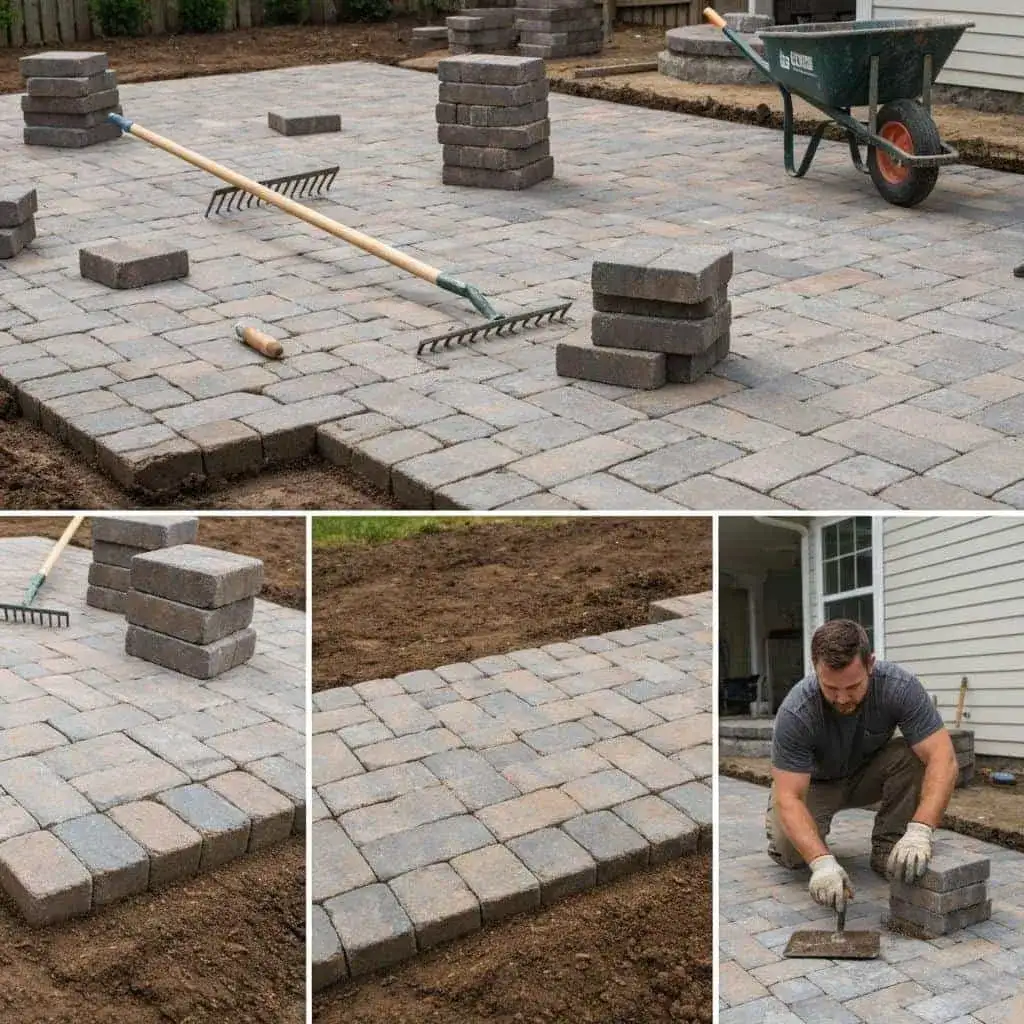
Add and level a 1 to 1.5-inch layer of concrete sand. Screed with a straight board to make it even. Then start at one corner and work your way out, placing paver stones gently on the sand following your chosen pattern. Keep joints tight and straight. Use a diamond-blade saw for clean edge cuts.
Edge Restraints and Joint Sand
Paver edging keeps your patio or driveway in shape and stops the pavers from spreading or shifting. Secure edge restraints with spikes every 12 inches. Then sweep polymeric sand into the joints, filling each gap until the sand sits about 1/8 inch below the top. Use a plate compactor with a rubber pad to settle the pavers.
Care and Maintenance
Sweep your pavers every week. Rinse them with water each month. Deep clean twice a year to remove tough dirt. Inspect joints and edges monthly. Reseal every 2–3 years to protect against Florida's sun and rain. Fix any cracks, chips, or shifting pavers promptly before they cause bigger problems.