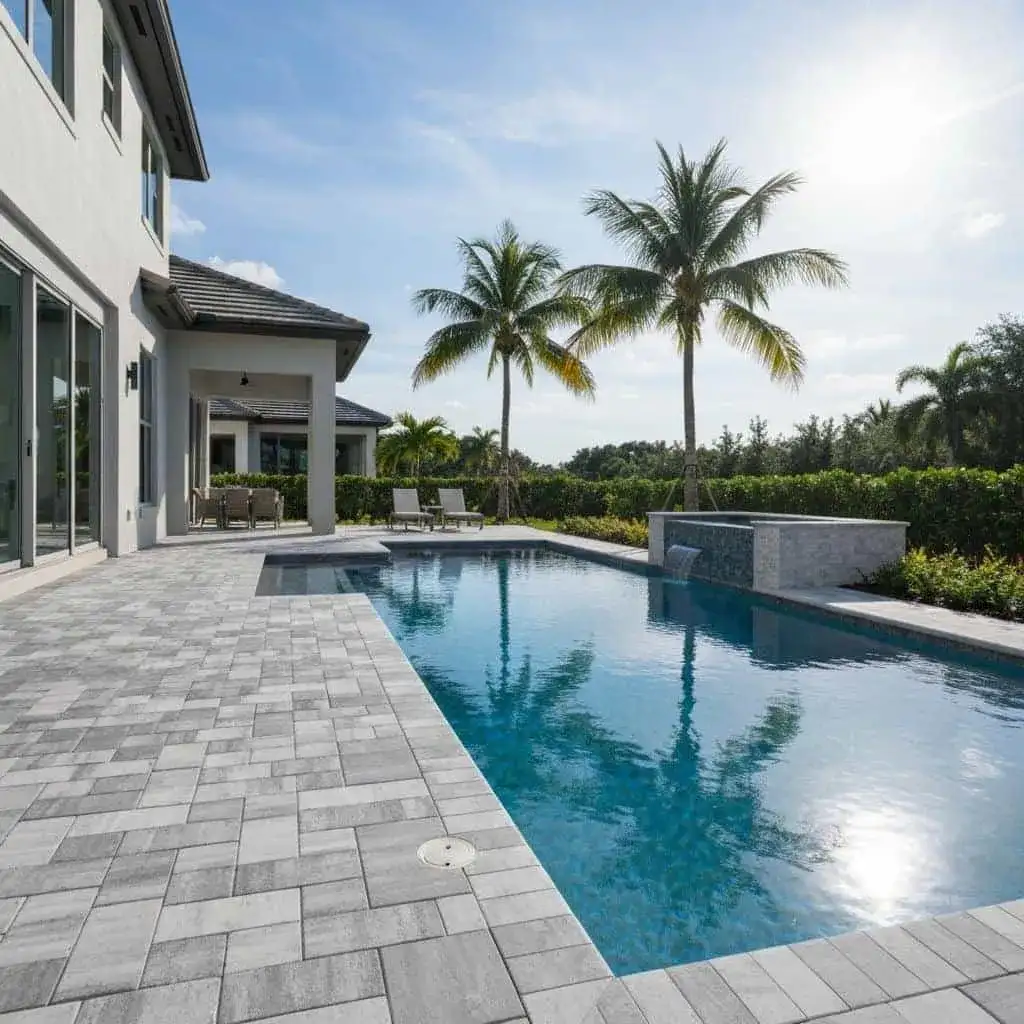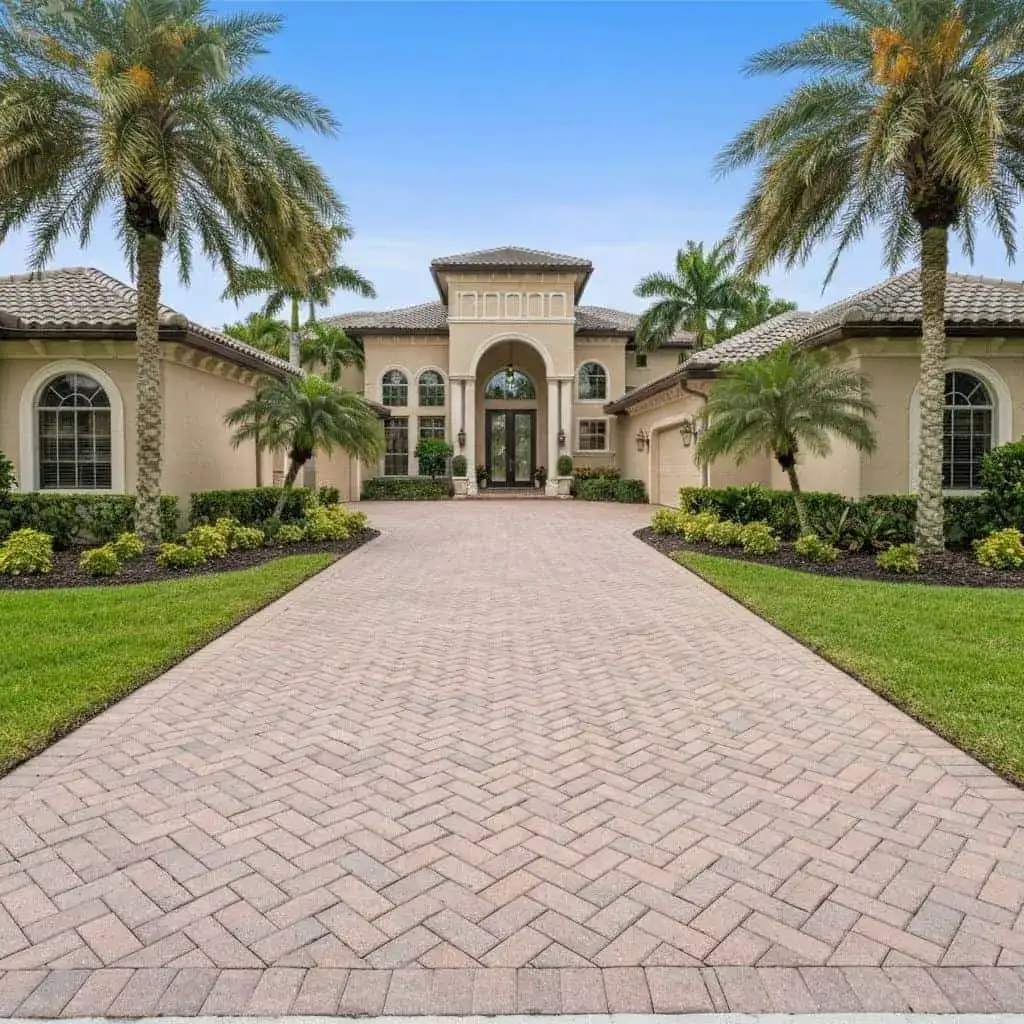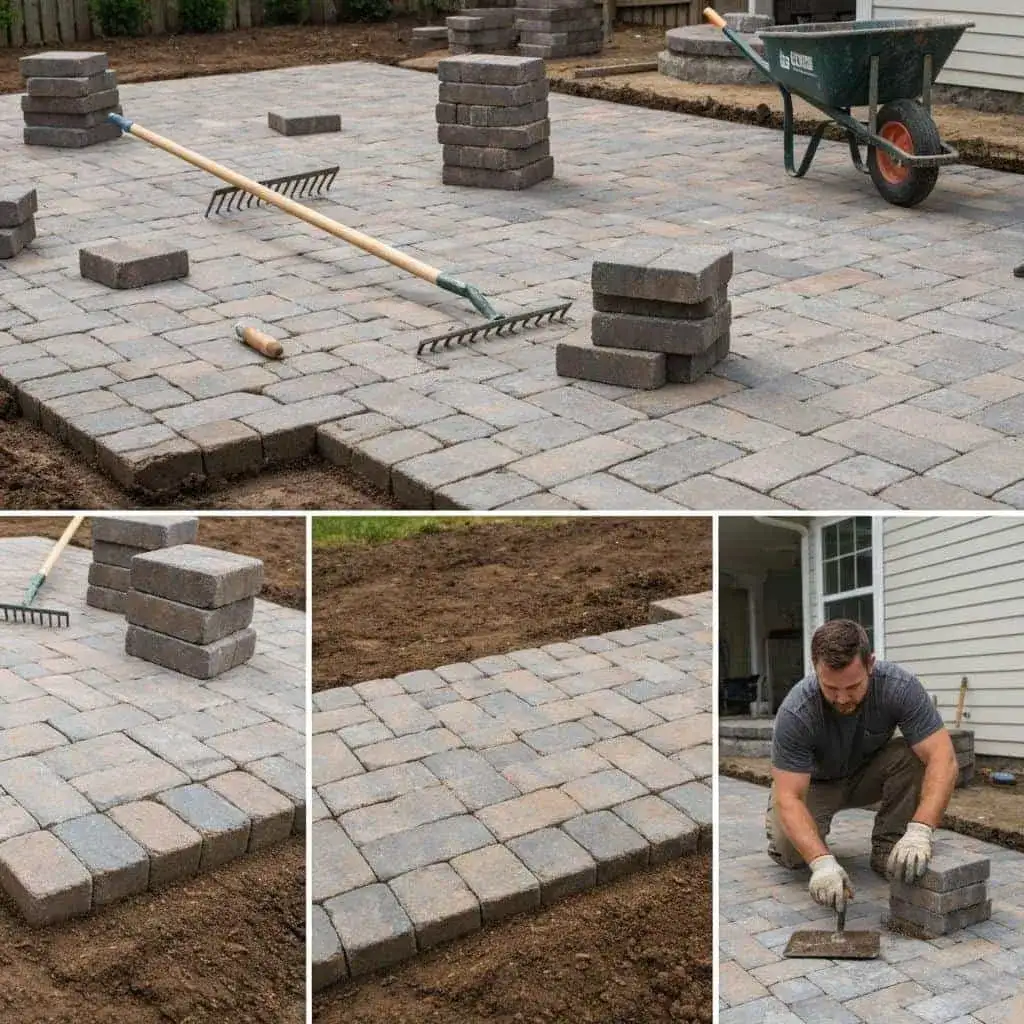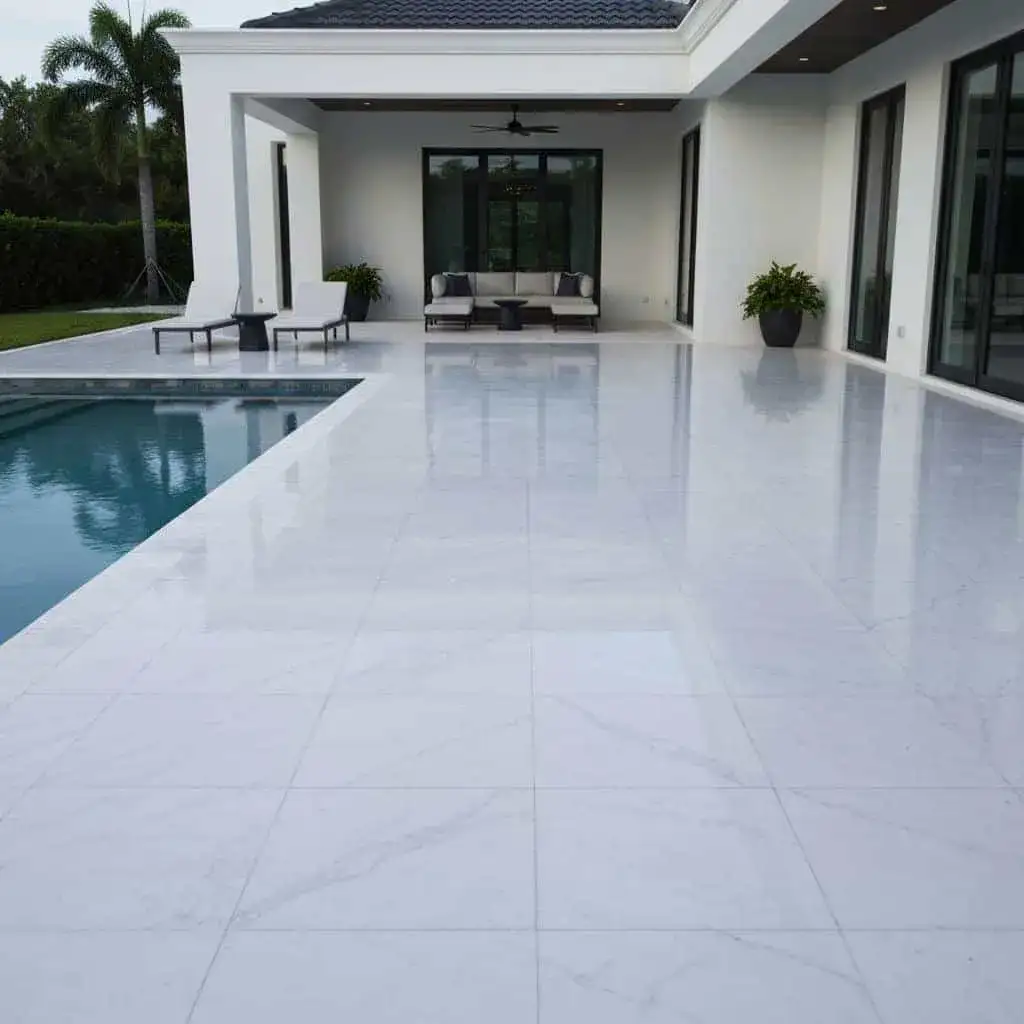
A killer pool deck pulls your backyard together and can even boost your property value, but it needs to stand up to foot traffic, wild weather, and sunny Florida heat. Design impacts comfort, upkeep, and your family's safety for years to come. From modern concrete finishes and cool-to-the-touch natural stone to budget-friendly pavers and low-maintenance composite, you have more options than ever.
Best Pool Decking Materials
Natural Stone
Flagstone and granite serve up a backyard feel that looks custom and timeless. Natural stone usually provides excellent slip resistance due to its rougher surface, making it a safer bet around wet, high-traffic pool edges, especially for kids and seniors. Natural stone is built to last—just keep in mind it may need periodic sealing to resist pool chemicals and stains.
Wood vs. Composite Decking
Traditional wood decking brings warmth and a laid-back, natural style. Composite decking, made from recycled plastics and wood fibers, offers a similar appearance with far more color and texture options. Wood tends to have a lower upfront price, but composite decking pays off with lower maintenance and fewer repair costs. Composite stays strong against weather, UV rays, and pool chemicals with no warping or splintering.
Decorative Concrete
Decorative concrete comes in many flavors—stamped, stained, or colored finishes. Stamped concrete can mimic flagstone, brick, or tile at a fraction of the price, offering endless design options. Special textured finishes or slip-resistant sealers can be added for both good looks and safer footing for wet areas. Concrete is often more affordable than crafted stone and delivers impressive results with low maintenance.
Safety and Comfort
Slip Resistance
Broom-finished or exposed aggregate concrete provides natural grip, helping to minimize slipping even when wet. Many concrete and stone pavers feature intentionally rough surfaces or tumbled finishes, so traction stays high as foot traffic and water exposure increase. Regular cleaning and timely repairs prevent algae, mildew, and grime buildup—all common slip hazards.
Heat Reflective Materials
Surfaces in beige, ivory, or light gray absorb less heat, so they stay noticeably cooler than darker decks in direct summer sun. Specialty "cool deck" coatings reflect infrared heat and help decks feel up to 30 percent cooler, ideal if your pool sees full-day sun. Some concrete pavers allow water to drain through, which keeps surface temperature down and provides an added cooling effect.
Creative Design Ideas
Material Mixing and Grass Integration
Free Estimate · No Obligation
Ready to transform your pavers?
Same-week scheduling available across South Florida.
Alternating paver stones with turf strips merges the precision of hardscape with the softness of greenery, yielding modern grid patterns that are both inviting and low-maintenance. Wrapping your pool in wide flagstone paths with lush sod joints creates a seamless, organic look and helps soften hard edges—ideal if you want a more naturalistic backyard scene.
Concrete Pavers vs. Stamped Concrete
Concrete pavers come in countless shapes, colors, and patterns—ideal for fully custom layouts. Stamped concrete delivers unlimited pattern choices in a seamless slab. Damaged pavers can be popped out and replaced individually—easy and efficient. Stamped concrete may require patching or resurfacing when damaged. Both options stand up to intense sun, pool chemicals, and heavy use.
Eco-Friendly Options
Specially designed pavers with built-in gaps or porous construction allow rainwater to seep through, minimizing runoff and supporting local drainage regulations. Made from a mix of reclaimed plastics and wood waste, composite decking saves landfill space and requires no trees to be felled. Many municipalities now encourage permeable surfaces for new outdoor construction.
Accessibility Features
ADA guidelines recommend a slope no steeper than 1:12 for ramps—making wheelchair or walker access manageable. Transfer walls, zero-step entries, and built-in pool lifts can be blended into deck design for full accessibility. Choose slip-resistant finishes where ramps meet the main deck to minimize trip hazards. Wide walkways with gradual curves work better than sharp turns for multi-generational enjoyment.