Understanding Pavers Locking Sand
Pavers locking sand is a specially formulated material designed to securely lock paver joints. Unlike regular sand, it contains a unique silica sand and polymer blend. These polymers act as glue when activated with water, creating a semi-solid bond that holds the sand in the joints and prevents it from washing away. When you use polymeric sand, you're not just filling gaps — you're creating a durable, weather-resistant surface that keeps your pavers stable for years.
How Jointing Sand Works
Jointing sand, including polymeric sand, works by filling the spaces between pavers. Once applied, it settles into the joints and forms a tight seal. The polymers in polymeric sand chemically bond when exposed to water, creating a strong matrix that resists erosion. This bond keeps the sand in place, even during heavy rain or high foot traffic.
Key Benefits of Using Paver Locking Sand
- Prevents Weed Growth: It blocks weed seeds from sprouting in the joints.
- Inhibits Insect Infestation: Keeps ants and other pests from burrowing between pavers.
- Resists Erosion: Unlike regular sand, it stays put during rain or wind.
- Enhances Durability: Extends the lifespan of your paver installation.
- Improves Drainage: Helps water flow properly, reducing pooling on the surface.
Benefits of Polymeric Sand for Paver Installations
Enhanced Stability and Durability
Polymeric sand is a game-changer when it comes to keeping your pavers in place. Once you activate it with water, the polymer blend hardens and forms a strong bond. This bond locks the pavers together, preventing them from shifting underfoot or during heavy use. Polymeric sand reduces erosion caused by rain or foot traffic and extends the lifespan of your outdoor space.
Prevention of Weed Growth and Insect Infestation
Weeds and ants can ruin the look of your paver project. Polymeric sand's unique formula includes additives that block weed seeds from sprouting in the joints. By choosing polymeric sand, you're not just improving the look of your pavers — you're also cutting down on maintenance and keeping pests at bay.
Resistance to Erosion and Weather Damage
Rain, wind, and even snow can wreak havoc on your paver installation. But polymeric sand is designed to stand up to the elements. Its hardened surface resists erosion, so you won't have to worry about sand washing away during a storm. This weather-resistant quality also helps maintain the structural integrity of your pavers.
How to Install Polymeric Sand
Cleaning the Paver Surface
Before you install polymeric sand, start with a clean surface. Dirt, debris, or leftover jointing sand can interfere with the bonding process. Use a broom to sweep away loose particles. For stubborn grime, a power washer works well. Once the surface is spotless, let it dry completely.
Application Process
Free Estimate · No Obligation
Ready to transform your pavers?
Same-week scheduling available across South Florida.
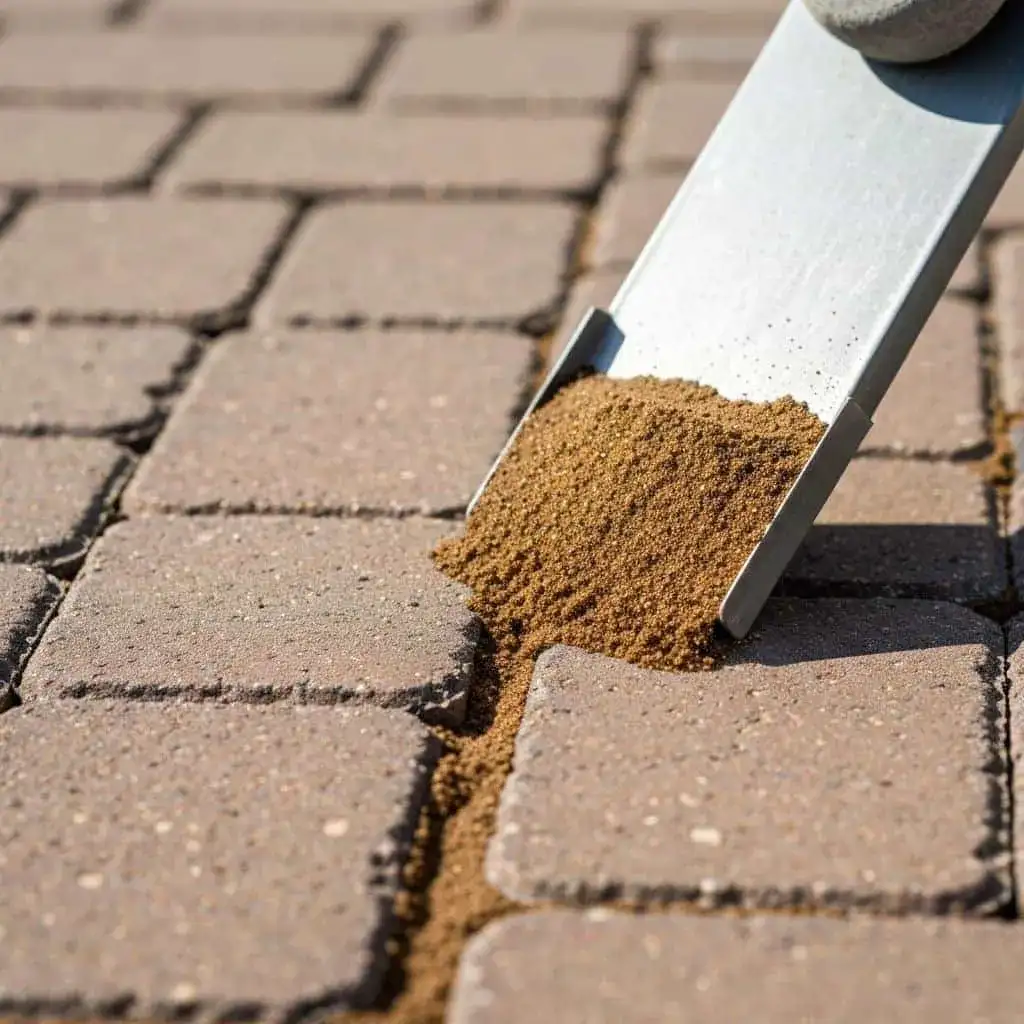
Once your surface is ready, pour small heaps of polymeric sand onto the dry pavers. Use a push broom to sweep the sand into the joints, working diagonally to ensure even coverage. After spreading the sand, use a rubber-plated compactor to tamp down the sand, making multiple passes to ensure it settles into every joint. The final step is activating the sand with water — use a hose with a gentle spray setting, misting the surface evenly and allowing the water to soak into the joints. Avoid overwatering, as this can wash away the sand.
Post-Application Care
After the sand has been activated, remove any excess from the surface using a leaf blower. Polymeric sand typically takes 24 to 48 hours to set completely. During this time, avoid walking or driving on the surface.
Tips for Ensuring Long-Lasting Jointing Sand Results
Regular Cleaning and Inspection
Keep your pavers clean by sweeping and rinsing with a garden hose to remove loose debris. For routine cleaning, use a mild vinegar and water solution. Blot spills immediately with a clean cloth to avoid stains. Each season brings its own challenges, so remove leaves and organic material promptly to avoid moisture retention.
Reapplying Sand When Needed
Over time, the joints between your pavers may lose some sand due to weather or regular use. Reapplying polymeric sand can restore the stability and appearance of your installation. Start by cleaning the surface thoroughly, then follow the same application process: spread, compact, and activate with water. Reapplying sand not only keeps your pavers locked in place but also prevents weed growth and erosion.
Sealing Pavers for Added Protection
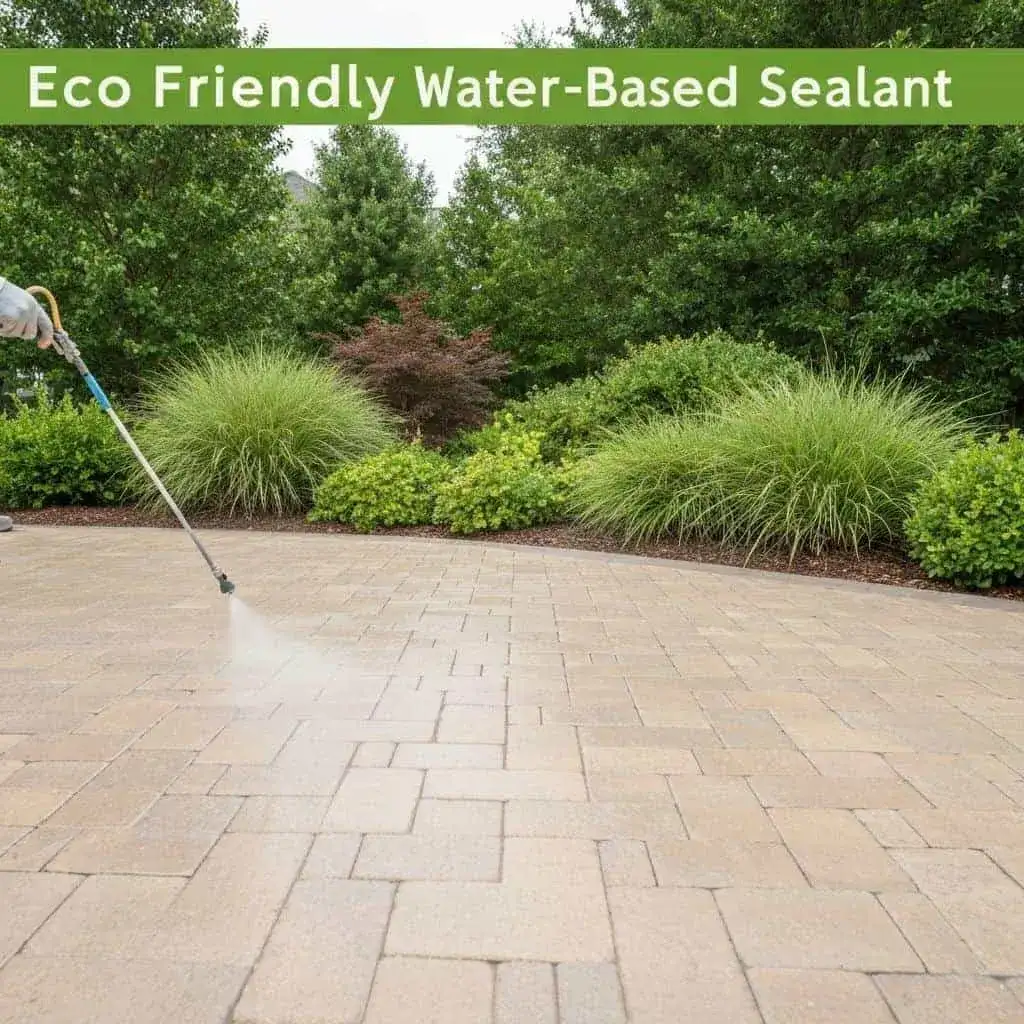
Sealing your pavers is like giving them a protective shield. A good sealer creates a barrier over your pavers, keeping them safe from rain, snow, and sun. Sealed pavers are less likely to erode, even during heavy downpours, and the sealer helps the polymeric sand stay put, locking your pavers securely in place. Sealing also enhances the look of your pavers — it brings out their natural color and adds a subtle sheen.
Using paver locking sand is the key to creating a secure and long-lasting paver installation. It locks your pavers in place, preventing shifting, weed growth, and erosion. By following the steps for proper application and maintenance, you'll enjoy a stable and beautiful outdoor space for years.