Sealing Pavers: The Essential Guide to Protecting Your Outdoor Investment
Sealing pavers works as a protective barrier against environmental damage and staining. Water-based sealers are recommended for easier application and cleanup. Surface preparation through thorough cleaning is critical before any sealer application, as dirt and grime prevent proper adhesion. Paver sealing adds a protective layer that prevents damage from rain, sun, and stains, protects against color fading, and maintains the aesthetic appeal of outdoor spaces.
Understanding the Basics of Sealing Pavers
Why Sealing Pavers is a Must for Longevity and Aesthetics
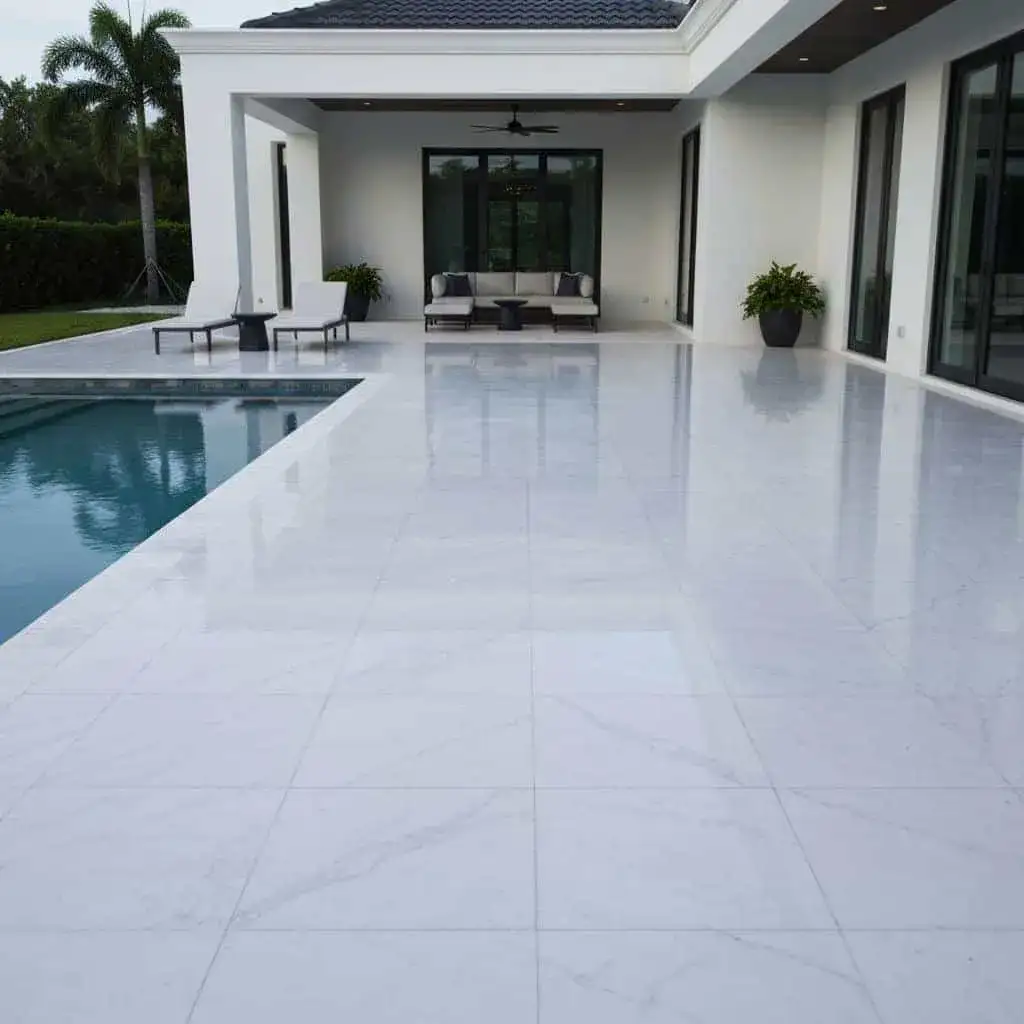
Sealing enhances color, texture, and overall appearance while providing protection from natural elements. Stain resistance prevents permanent marks from spills and accidents. UV protection maintains color vibrancy against sun damage. The sealer acts as armor against rain, oil, and environmental contaminants.
When is the Ideal Time to Seal Your Pavers?
Sealing should occur after pavers settle post-installation. Joint sand must be stable before application. Weather conditions significantly impact sealing success. Professionals understand seasonal variations and weather patterns affecting sealer application — proper timing ensures adhesion and curing without weather interference.
Preparing Your Pavers for Sealing
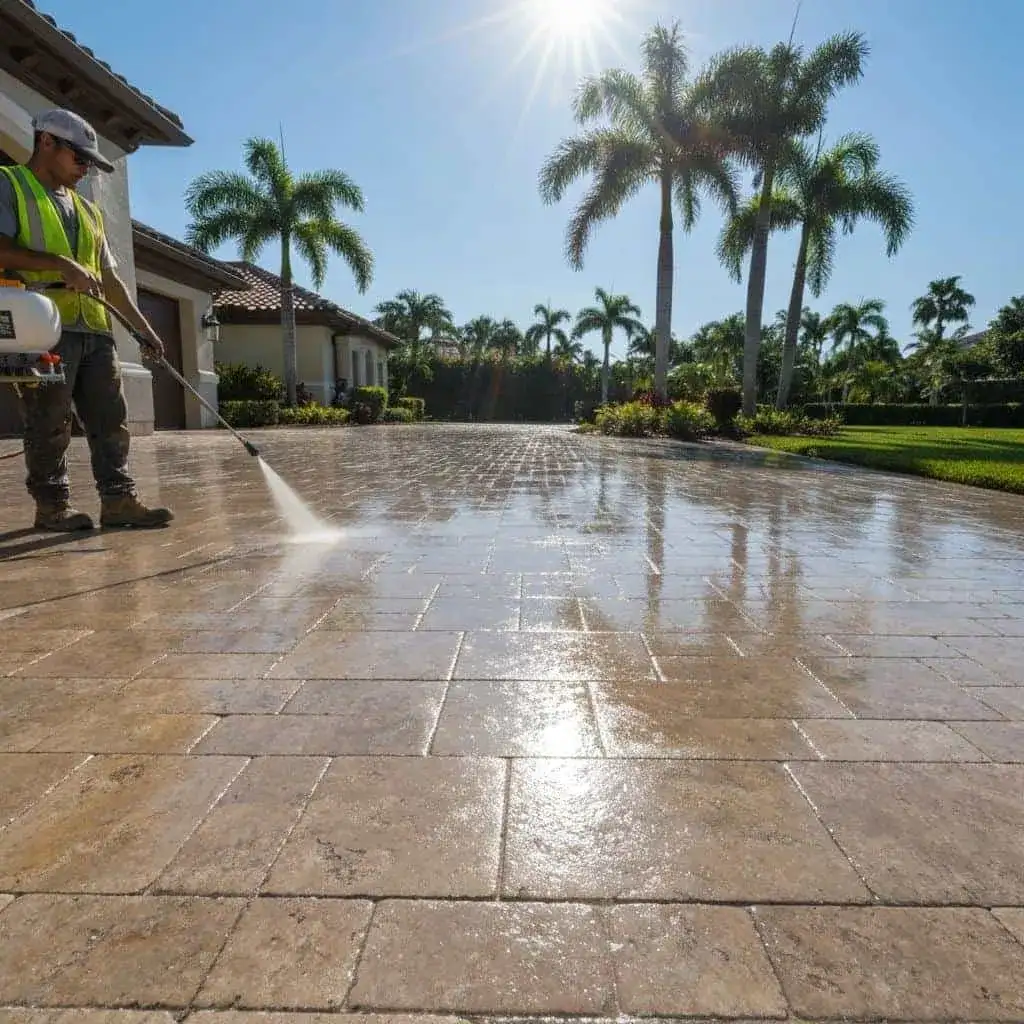
Thorough cleaning is essential before sealing, removing all dirt and grime. Cleanliness directly impacts sealing longevity. Remove furniture and plants from the area before cleaning. Sweep loose debris, then apply quality paver cleaner as directed. Use stiff brushes for stubborn stains and rinse thoroughly with water before sealing. Assess paver porosity before application — a water droplet test reveals porosity levels. Penetrating sealers work best for highly porous pavers, providing deep protection.
Choosing the Right Paver Sealer
The Debate: Water-Based vs. Solvent-Based Sealers
Water-based sealers offer environmental friendliness, low odor, and easy cleanup. Solvent-based options provide deeper penetration and longer-lasting protection. Polyurethane sealers offer UV resistance, flexibility, and durability for high-traffic areas. Acrylic sealers dry quickly, apply easily, and create glossy finishes. Both types serve different purposes depending on location and use.
To Gloss or Not to Gloss: Deciding on "Wet Look" Paver Sealers
Wet-look sealers enhance aesthetic appeal but require careful application to avoid over-coating. Low-pressure sprayers provide even coverage for glossy finishes. Moderation prevents slippery surfaces and sealer pooling. Glossy finishes enhance visual appeal but create slip hazards when wet. Matte finishes provide subtler protection without shine.
The Application Process: Best Practices for Sealing Pavers
Spray vs. Roller: Which Application Method Works Best?
Sprayers provide quick, even coverage for large areas. Rollers allow better control on uneven surfaces and ensure thorough joint coverage. Method selection depends on paver configuration and project size. Two light coats outperform one heavy application. Proper amount ensures protection without sticky residue or pooling. Clean pavers thoroughly before application begins. Apply sealer evenly using appropriate tools. Avoid flooding joints with excessive sealer. Check weather forecasts to prevent rain interference.
Ensuring Even Application and Adequate Drying Time
Free Estimate · No Obligation
Ready to transform your pavers?
Same-week scheduling available across South Florida.
Maintain steady pace and consistent pressure during application. Allow proper drying between coats before applying additional layers. Rushing drying time invites mold and mildew growth.
Maintenance and Care Post-Sealing
How Often Should Pavers Be Sealed for Continued Protection?
Resealing typically occurs every two to three years depending on conditions. High-traffic areas may require more frequent resealing. Environmental exposure and sealer quality affect resealing schedules. Sweep and wash pavers regularly to maintain appearance. Schedule maintenance during moderate temperatures between 50-90 degrees.
Addressing Common Concerns and Troubleshooting Sealer Issues
Dull appearance or weed growth indicates maintenance needs. Peeling sealant or poor adhesion suggests sealer-porosity mismatch. Most issues resolve through proper resealing techniques. Uneven color, peeling sealant, or persistent moisture indicate professional intervention is needed. Cracking pavers or pooled water suggest structural issues requiring expert assessment.
The Economic Aspect of Sealing Pavers
Sealing represents preventive investment protecting against costly repairs. Well-maintained pavers enhance property value and curb appeal. Initial sealing costs are significantly lower than future repairs or replacements. Prevention avoids expensive damage from mold, mildew, and element exposure. DIY sealing may seem cheaper initially but risks poor results requiring redoing — professional sealing costs more upfront but ensures proper application and durability, delivering better long-term value and peace of mind.
Making the Decision: To Seal or Not to Seal
Sealing pavers is essential for investment protection and longevity. Benefits include fading prevention, joint stabilization, and easy stain removal. Sealing prevents costly future complications from weather and wear. Paver type, location, and personal style influence sealing approaches. Sealing pavers serves as investment insurance for outdoor flooring — upfront costs are justified by long-term durability and appearance benefits. Prevention through sealing is more cost-effective than later repairs.
Conclusion: Sealed to Perfection
Effective sealing protects pavers against UV rays, spills, and environmental damage. Preparation, product selection, and application technique determine success. Long-term benefits outweigh initial costs and effort requirements. Clean pavers thoroughly and ensure proper joint filling. Apply sealer under ideal temperature conditions between 50-90 degrees. Choose appropriate gloss levels and resealing intervals based on conditions. Sealed pavers maintain appearance longer and require less maintenance — investment in sealing delivers years of aesthetic and functional benefits.