How to Reseal Pavers: A Comprehensive Guide to Protecting Your Investment
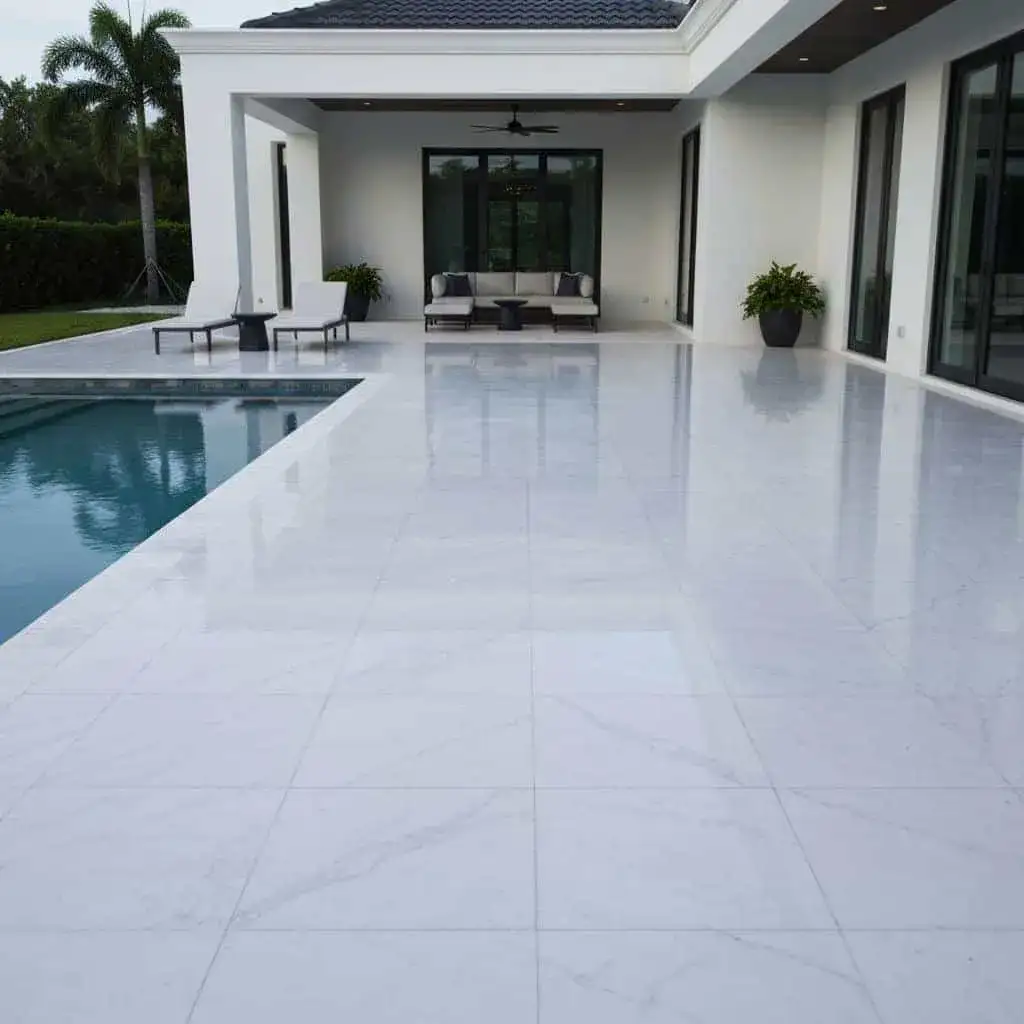
Sealing your pavers is crucial in ensuring the beauty and longevity of your patio or driveway. Not only does it protect your pavers from the harsh elements, but it also enhances their color, making your outdoor space more inviting. When done correctly, paver sealing can prevent common issues such as staining and weed growth, making paver maintenance easier and more effective.
Why Reseal Pavers?
Over time, the protective coat of sealer on your pavers wears away, exposing them to damage from weather, spills, and traffic. Resealing replenishes this protective layer, extending their life and keeping your outdoor space looking its best. One of the first defenses against rain, snow, and sun damage is a quality sealant — this protective layer helps to repel water and resist the harmful effects of UV rays, which can cause fading and deterioration over time.
The Best Time to Reseal Pavers
For optimal results, the time to reseal pavers is crucial. Joint sand needs to settle into the paver joints properly before sealing to ensure a stable surface. Before you seal your pavers, it's important to clean the paver surface thoroughly. The perfect time to seal pavers is during dry, mild weather conditions — ideally with temperatures between 50 and 90 degrees Fahrenheit, with no rain forecasted for at least 24 hours. Before applying the first coat of sealant, allow your pavers to cure completely, generally waiting a few weeks after installation.
Preparing Your Pavers for Resealing
Cleaning Techniques Before Sealing
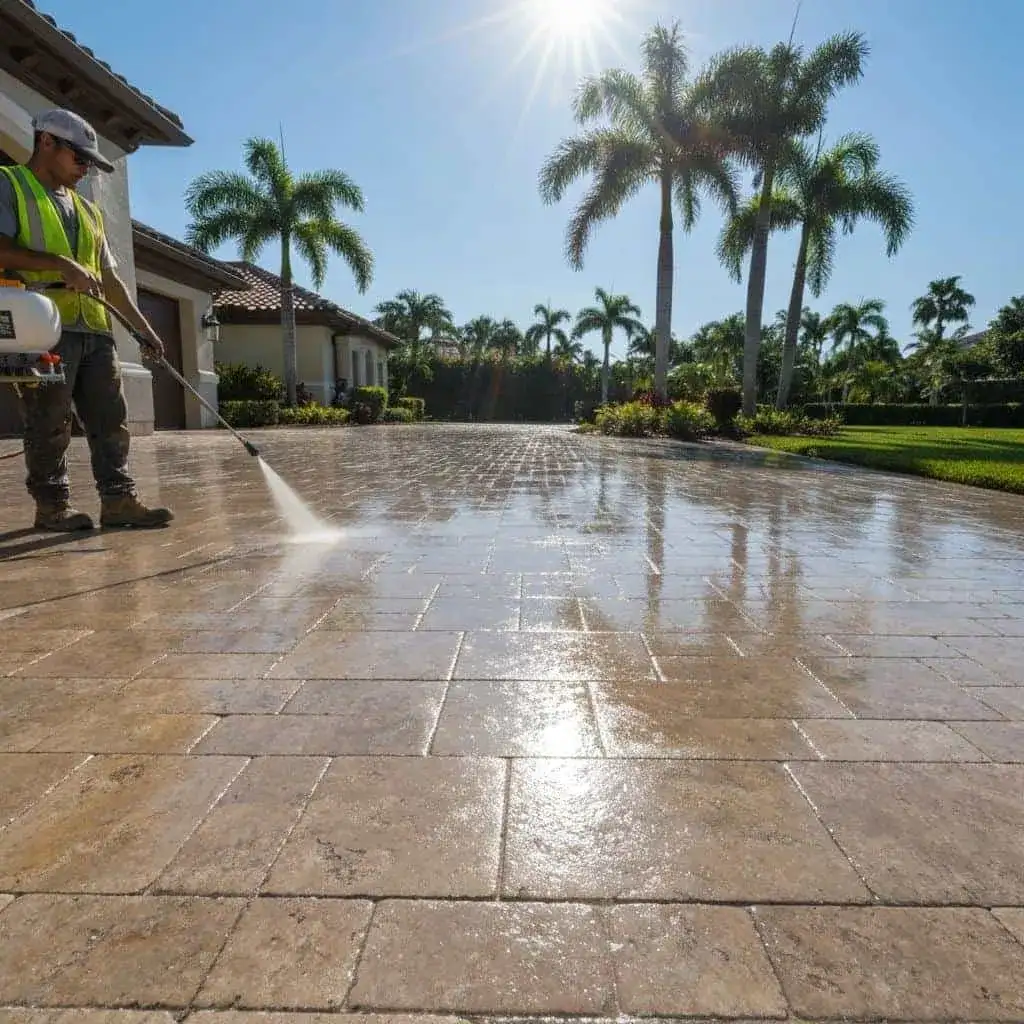
Effective cleaning is the first step in preparing your pavers for resealing. Using sand to fill the joints between the pavers helps prevent weed growth and stabilizes the pavers. A power wash or a garden hose can remove dirt and debris, followed by a cleaning solution to tackle stubborn stains.
Removing Obstructions and Weeds
Removing any obstructions, weeds, and debris from between the pavers is crucial before sealing. This not only helps ensure the sealant is applied evenly but also prevents future weed growth.
Saturating the Paver Surface for Deep Cleaning
For a deep clean, saturating the paver surface with water before applying a cleaning solution helps in loosening any embedded dirt or stains. This deep cleaning process prepares the pavers for sealing by creating a clean, receptive surface for the sealant.
The Essential Drying and Re-sanding Process
After cleaning, it's essential to let the pavers dry completely before proceeding with re-sanding. Before applying sealant, ensuring that the pavers are completely dry is crucial — moisture trapped under the sealant can affect the integrity of the sealant. After cleaning and ensuring the pavers are dry, re-sanding the joints is necessary before sealing. This step stabilizes the pavers and prevents shifting.
Choosing the Right Paver Sealant
When it comes to safeguarding pavers, selecting the appropriate sealant is crucial. Water-based sealers stand out for their eco-friendly properties and ease of application. They protect pavers from stains and moisture while contributing to the durability and aesthetics of outdoor spaces. The right sealant type can significantly extend the life of pavers.
Sealant Types and Their Benefits
Free Estimate · No Obligation
Ready to transform your pavers?
Same-week scheduling available across South Florida.
Water-based sealers provide a robust barrier against the elements, repelling water and stains effectively. They are safer for the environment and easier to apply compared to their solvent-based counterparts. Matte finishes offer a natural, understated look that preserves the original beauty of the pavers without adding shine. Glossy finishes enhance the color of the pavers and give them a wet look that many find appealing.
Application Tips for Paver Sealant
Professionals ensure thorough coverage and adherence to drying times, which are crucial for the sealant's effectiveness. When applying the first coat of sealant, apply it evenly and allow sufficient drying time before use. Applying multiple coats enhances the protection and longevity of pavers. It's crucial to allow each coat to dry thoroughly before applying the next.
How to Reseal Pavers: Step-by-Step
Starting with a clean surface, ensuring the pavers are dry, and choosing the right sealant are key steps. Prepare by cleaning thoroughly and drying the paver surface, which is crucial for the sealant to adhere correctly. Use a gentle, effective cleaning solution mixed according to manufacturer instructions and applied with care. After cleaning, rinse the pavers thoroughly and allow them to dry completely — filling the joints with polymeric sand ensures they are well-prepared for the sealing process.
When it comes to sealant application, using a paint roller ensures an even coat across the paver surface. Beginning the application at the edges and working inward ensures complete coverage and prevents missed spots. After applying sealant, adhere to recommended drying times — post-sealing care such as regular cleaning and avoiding harsh chemicals will extend the life of the sealant.
Maintaining Your Sealed Pavers
How Often Should Pavers Be Resealed?
To maintain their aesthetic and durability, resealing is recommended every 3 to 5 years. This timeframe can vary based on the type of sealant used, the amount of foot traffic, and exposure to harsh weather conditions.
Signs Your Pavers Need Resealing
Common indicators include a faded appearance, stains that are difficult to remove, and the absorption of water rather than repelling it. When pavers begin to show these signs, it's a clear signal that the sealant is wearing off.
Routine Maintenance Tips to Extend Sealant Life
Sweeping to remove debris, occasional rinsing with water, and promptly cleaning spills can prevent staining and deterioration of the sealant. Avoiding harsh chemicals and opting for gentle cleaning solutions helps preserve the sealant's integrity. If you notice the sealant isn't adhering properly or there's a hazy residue, it may be due to improper application or moisture trapped beneath the sealant — removing the affected sealant layers and reapplying a new coat after ensuring the pavers are dry and clean can restore their look.