Wet Look Pavers are Possible with the Right Paver Sealer
A paver sealer is a protective coating applied to surfaces such as concrete pavers to enhance durability and appearance. The importance of sealing pavers lies in its ability to protect the porous surface from stains, weather damage, and UV degradation. A high-quality sealer ensures deep penetration, safeguarding against the intrusion of water and chemicals. It is essential to select a sealer with low VOC content to minimize environmental impact while maintaining strong protective properties.
Understanding the Function of a Paver Sealant
A paver sealant serves multiple purposes. It forms a protective layer over the surface, guarding against the infiltration of water, oil, and other contaminants that can lead to stains, erosion, and other forms of damage. Moreover, a paver sealant enhances the color and appearance of the pavers by giving them a vibrant, polished look. Using a paver sealant also makes maintenance easier — by creating a smooth, non-porous surface, it reduces the growth of weeds and moss between the joints.
Benefits of Using Water-Based Paver Sealers
Water-based paver sealers are environmentally friendly as they emit lower levels of VOCs compared to solvent-based sealers. They are easier to apply and clean up, often requiring just soap and water. These sealers provide excellent protection against stains, mold, and mildew, prolonging the life of the pavers. Their enhanced breathability allows moisture to escape from the paver substrate, preventing issues like efflorescence and surface damage. Water-based paver sealers typically produce a natural-looking finish that enhances the color and texture of the pavers without making them appear overly glossy.
How Does Paver Sealing Protect Your Driveway?
Paver sealing serves as a protective barrier for your driveway. One of the primary benefits is the prevention of weed growth and ant infestations, which can cause extensive damage over time. The sealant fills the small gaps and crevices where weeds and insects typically thrive. Additionally, paver sealing helps counteract the effects of weathering, such as fading due to prolonged exposure to sunlight and moisture. The sealant also makes cleaning and maintenance easier — the smooth, sealed surface repels stains from oil, grease, and other substances.
How to Apply Paver Sealer for Natural Finish
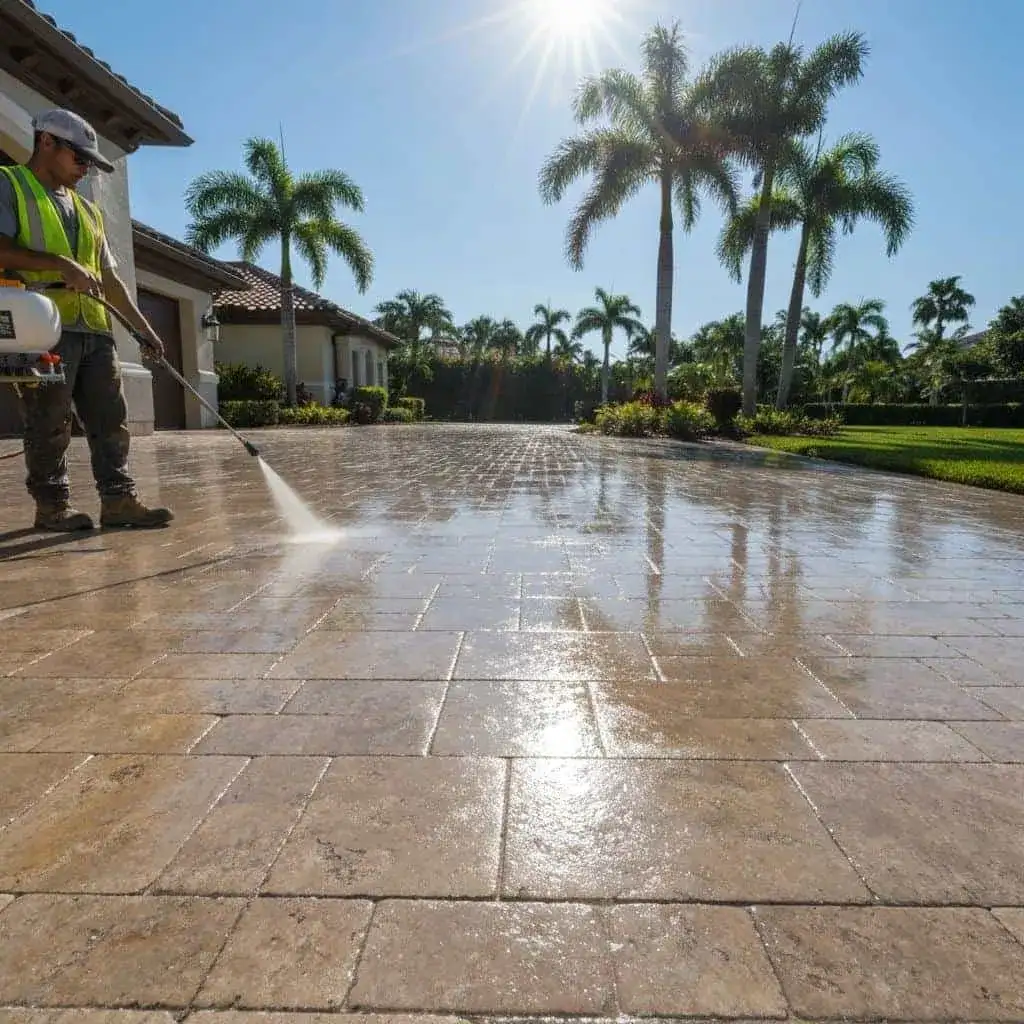
To apply a paver sealer for a natural finish, start by thoroughly cleaning the pavers. Use a pressure washer or a stiff broom to remove any dirt, grime, and debris, and allow the pavers to dry completely. Ensure the weather is clear and dry, as rain can affect the sealer's effectiveness. Apply the water-based paver sealer using a roller, brush, or sprayer, making sure to cover the entire surface evenly. Allow the sealer to dry according to the manufacturer's instructions, usually a few hours to a day. For added protection, a second coat can be applied once the first coat is fully dry.
Steps for Applying a High Gloss Paver Sealer
Free Estimate · No Obligation
Ready to transform your pavers?
Same-week scheduling available across South Florida.
Begin by cleaning the surface of the pavers, including the paver joints. Choose between a water-based or solvent-based sealer. For a high gloss finish, consider using an acrylic sealer such as Glaze 'n Seal. Applying sealer to natural stone, new concrete, and pool decks protects them from moisture and wear. Generally, you'll need about one sealer gallon to cover every 150 square feet, though this may vary based on the type of sealer and porosity of the surface.
Types of Paver Sealers Available
Acrylic vs. Penetrating Sealers
Acrylic sealers form a protective film on the surface, providing a shiny, durable finish that resists water, UV rays, and chemical stains. They are ideal for enhancing the appearance of decorative concrete and are relatively easy to apply and reapply. Penetrating sealers work by seeping into the concrete and reacting chemically within the pores, providing long-lasting protection against water and deicing salts without altering the appearance of the surface. For decorative surfaces where aesthetics are paramount, acrylic sealers may be the better option; for functional surfaces needing robust, long-term protection, penetrating sealers are usually superior.
Water-Based and Solvent-Based Sealers
Water-based sealers are predominantly used in residential applications due to their minimal odor and low VOC emissions. These sealers facilitate an efficient application and rapid drying process. Solvent-based sealers are renowned for their robust endurance and superior performance in high-traffic areas, with deeper penetration into porous materials. However, their application demands caution due to the substantial emission of VOCs.
Choosing Between Clear Sealers and Gloss Sealers
Clear sealers offer a subtle, matte finish that preserves the natural appearance of the material, ideal for those seeking to maintain the original aesthetic of surfaces. Gloss sealers provide a shiny, reflective finish that can significantly enhance the visual appeal of a surface, perfect for projects where a radiant and polished look is preferred. Gloss sealers can also highlight textures and colors.
How to Achieve the Desired Wet Look Finish
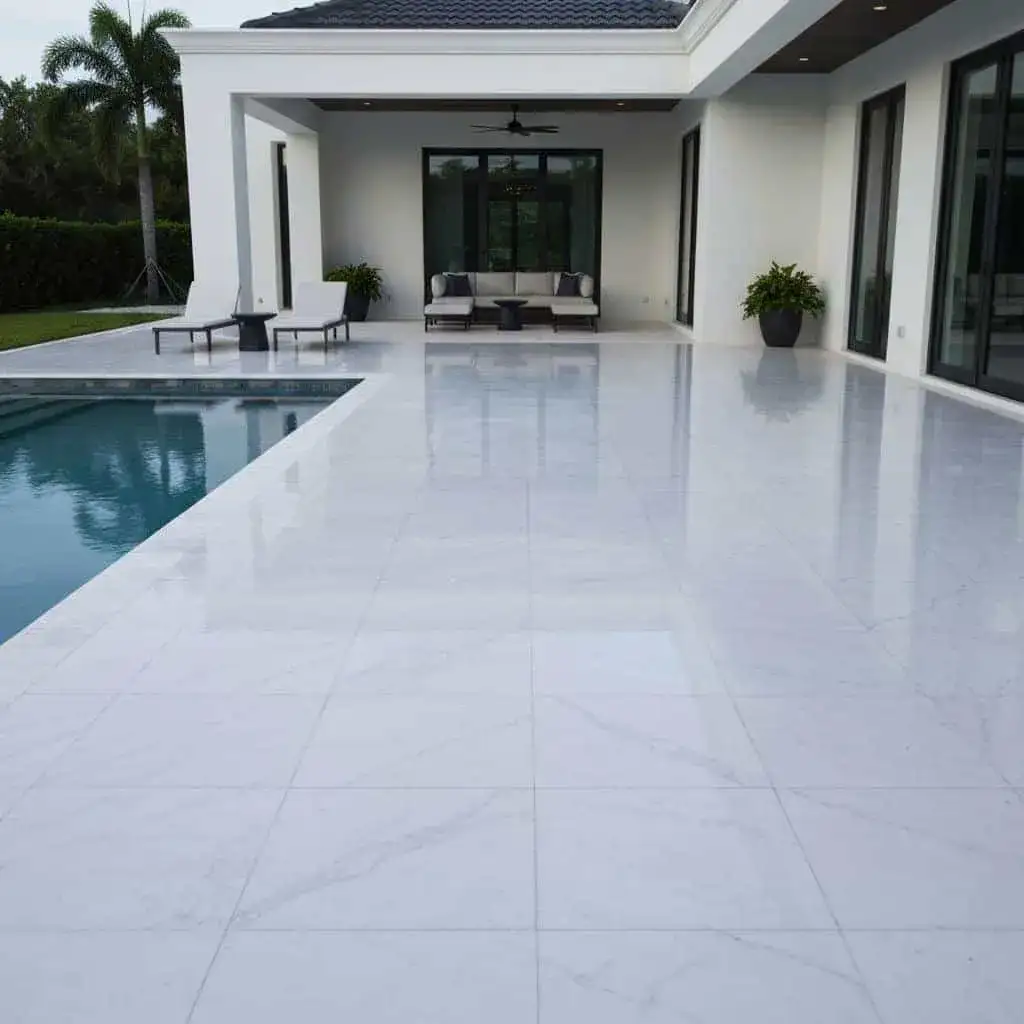
High-gloss finishes offer a sleek, modern look while enhancing the color and texture of the pavers. Matte finishes provide a more natural appearance blending with the surrounding environment. Satin finishes strike a balance between gloss and matte, offering a subtle sheen that enhances visual appeal while maintaining slip resistance. For achieving a high gloss wet look finish, apply gloss-enhancing products with a soft foam applicator, ensuring uniform coverage and working in a shaded, dust-free area. Maintaining the finish involves regular washing with pH-balanced cleaner and periodic reapplication.