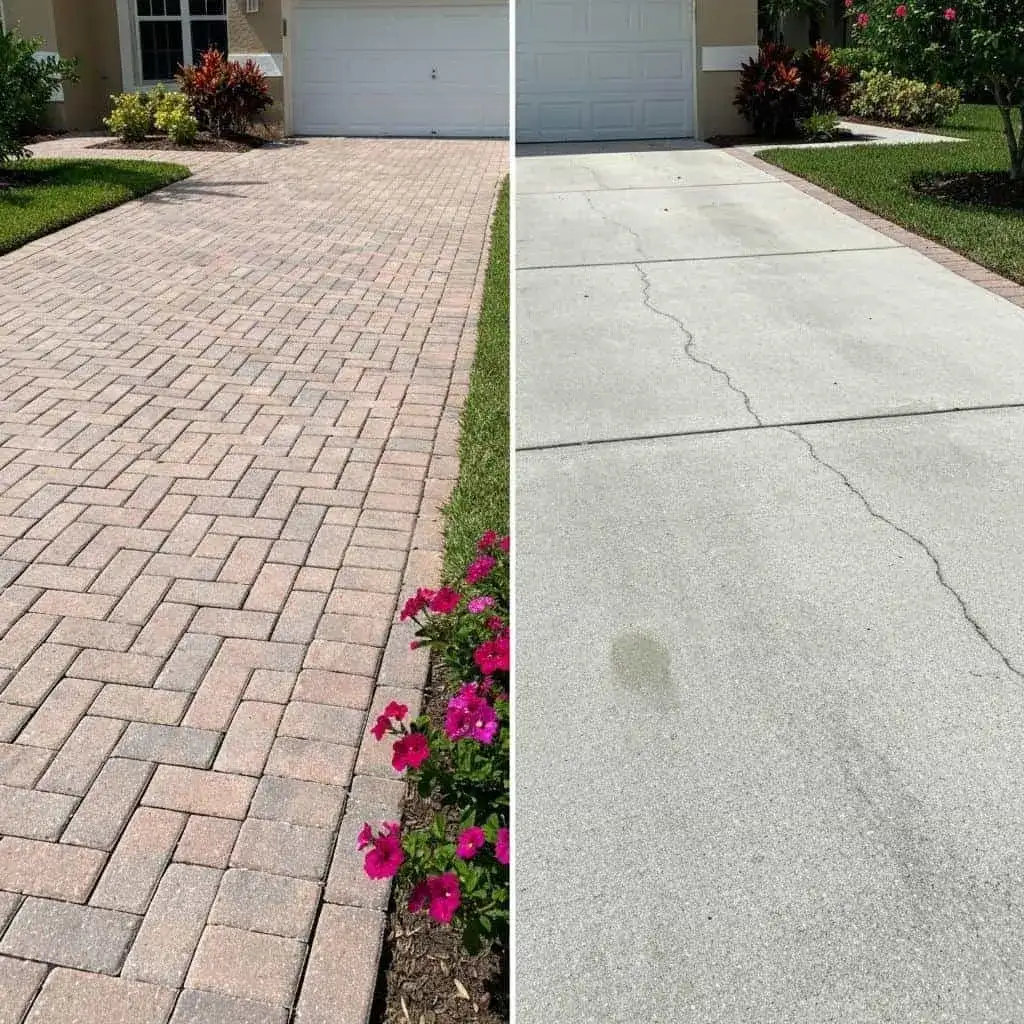
Understanding Cracked Pavers
Cracked pavers can sneak up on you, but spotting them early makes a world of difference. Visible fractures often appear as lines or splits on the surface of pavers. These fractures might start small, but they can grow over time. Uneven surfaces not only look bad but also hint at underlying issues. Cracks ruin the visual appeal of your outdoor space and pose safety risks — tripping over uneven or cracked pavers can lead to injuries.
Causes of Cracked Pavers
1. Environmental Factors
Weather plays a huge role in causing cracked pavers. Freeze-thaw cycles make materials expand and contract, and this constant movement leads to cracks. Rain and snow can seep into pavers, weakening them over time. Soil movement beneath pavers creates instability — improperly compacted soil leads to uneven settling, which causes visible cracks.
2. Installation Issues
A weak base often results in cracked pavers. Proper base preparation ensures stability, and skipping this step leads to uneven surfaces and cracks. Inadequate jointing leaves gaps between pavers — these gaps allow water and debris to enter, causing cracks. Proper jointing techniques keep pavers tightly together.
3. Material Quality
Using substandard materials often results in cracked pavers. High-quality pavers withstand environmental stress better. Everyday wear and tear also contribute to cracked pavers — heavy foot traffic and vehicle loads add pressure. Regular paver repair addresses minor damage before it worsens.
4. Maintenance Neglect
Neglecting maintenance can lead to cracked pavers. Without sealing, water seeps into pavers, causing cracks — regular sealing prevents damage and extends the life of surfaces. Weeds and pests can disrupt paver stability. Roots push against pavers, leading to cracks and uneven surfaces. Regular cleaning removes debris that attracts pests.
5. Structural Stress
Heavy traffic puts pressure on pavers. Cars, bikes, and foot traffic contribute to wear and tear. Ensuring a solid base during installation supports weight and reduces cracking. Excessive weight from furniture or equipment also causes pavers to crack. Distributing weight evenly helps prevent damage.
Solutions for Repairing Cracked Pavers
DIY Repair Methods
Free Estimate · No Obligation
Ready to transform your pavers?
Same-week scheduling available across South Florida.
Filling cracks is a straightforward way to handle minor damage. Use a high-quality sealant from your local hardware store — clean the cracked pavers thoroughly to remove dirt and debris, apply the sealant into the cracks making sure to fill them completely, and allow the sealant to dry as per the instructions. This method helps prevent moisture from seeping in and causing further damage.
Sometimes, filling cracks isn't enough and replacing damaged pavers may be necessary. Start by carefully removing the cracked paver using a chisel or screwdriver. Clear out any debris from the area and place a new paver in the empty spot, ensuring it sits level with the surrounding pavers. Tap it gently into place with a rubber mallet.
Professional Repair Services
Consider calling a professional if the damage is extensive or if you're unsure about tackling the repairs. Professionals have the tools and experience to handle complex issues. They can assess the situation and recommend the best course of action. Experts use high-quality materials and techniques to ensure long-lasting results and can also advise on paver cleaning and maintenance to prevent future issues.
Preventive Measures to Avoid Future Cracks
Quality Material Selection
High-quality pavers withstand environmental stress. Investing in durable materials pays off over time, as strong pavers resist cracks and maintain their look. Sealing pavers protects against moisture and wear. Regular sealing keeps water from seeping in and causing damage. Always clean pavers before sealing for the best results.
Proper Installation Techniques
A solid base provides stability. Compact the soil well to avoid shifting and settling, and professional paver restoration services focus on creating a strong foundation. Correct jointing keeps pavers tightly together — gaps allow water and debris to enter, leading to cracks. Regular maintenance checks ensure joints stay intact.
Preventing cracked pavers involves choosing quality materials and using proper installation techniques. Regular maintenance and timely interventions keep your outdoor area in top shape. Take action early to maintain a beautiful and functional outdoor area, as fixing cracks early saves time and money.